
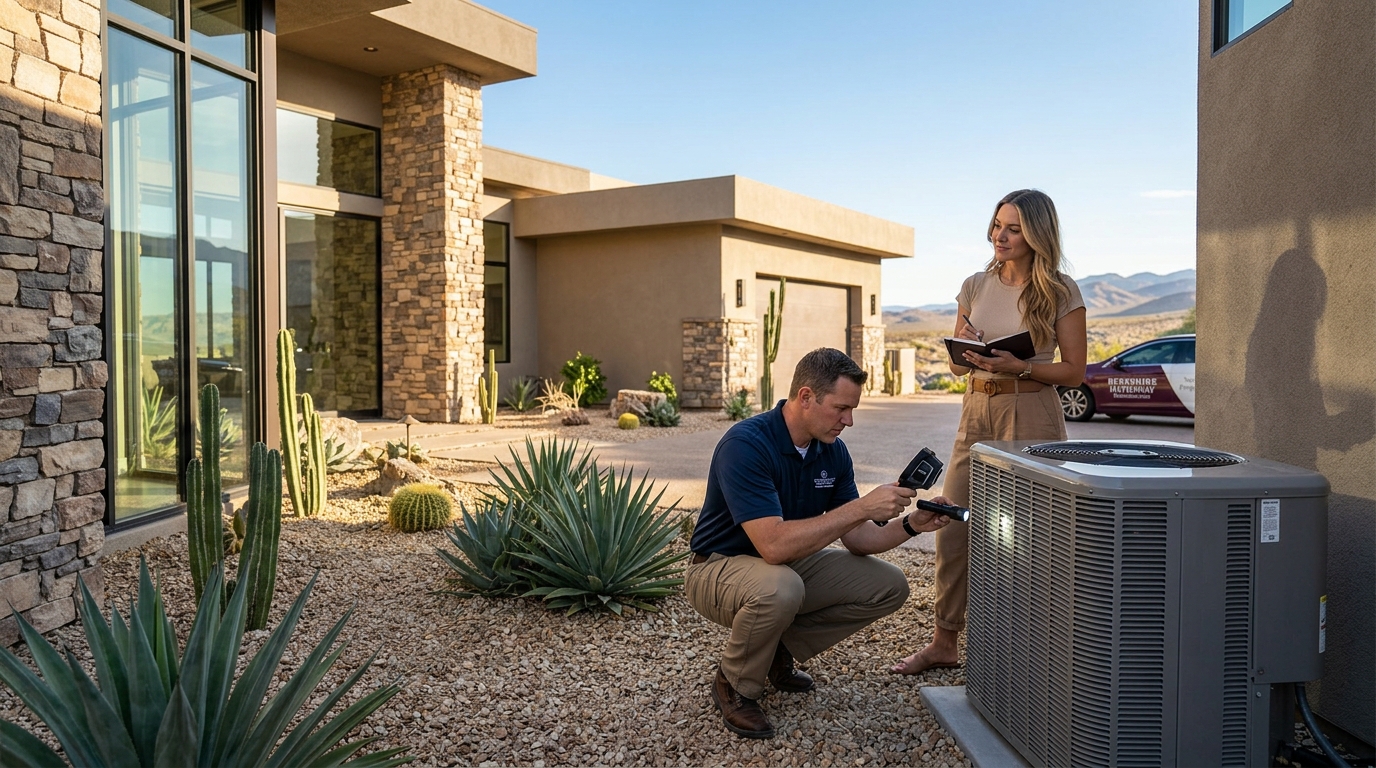
Buying a home in the Mojave Desert presents unique structural challenges that standard checklists often miss. According to a 2024 report by the National Association of Realtors, home inspection findings directly influence negotiation leverage in over 60% of transactions. In Las Vegas, where extreme heat and seismic activity intersect, overlooking specific vulnerabilities can lead to repair bills exceeding $15,000 within the first year of ownership. This guide details the critical inspection points for Southern Nevada properties to protect your investment. (Contact Us)
Foundation Integrity and Soil Settlement
The ground beneath Las Vegas homes is primarily composed of caliche, a hard, cement-like layer of soil. This composition creates a high risk for differential settlement. When the soil expands or contracts due to rare but intense monsoon rains, the foundation shifts unevenly. A professional inspector must look for vertical cracks in the foundation walls that are wider than a quarter-inch. These cracks indicate significant movement that can compromise the structural integrity of the entire building.
Slab-on-grade foundations are the most common in this region. Inspectors should check for gaps between the foundation and the exterior brick veneer. If the gap exceeds half an inch, it suggests the slab has settled away from the structure. This separation allows water and pests to enter, leading to costly remediation. Foundation repair costs in Southern Nevada average between $5,000 and $12,000 depending on the severity of the shift. Ignoring early signs of settlement can double these costs over time.
Another critical factor is the condition of the drainage around the perimeter. Poor grading directs water toward the foundation rather than away from it. During a monsoon season, this pooling water can soften the soil beneath the slab, causing sudden dips. Ensure the inspector verifies that the gutters and downspouts are functioning correctly and directing water at least six feet away from the house.
Roofing Systems Under Extreme UV Exposure
Las Vegas receives over 310 days of sunshine annually. This relentless UV exposure accelerates the degradation of roofing materials. Asphalt shingles, which are common in many suburbs, become brittle and curl much faster in this climate. An inspector must look for granule loss in the gutters and on the ground below the roofline. This granule loss exposes the asphalt base to direct sunlight, drastically shortening the roof's lifespan.
Tile roofs are prevalent in luxury communities and newer developments. While durable, the underlayment beneath the tiles degrades quickly under extreme heat. Inspectors should check for cracked or broken tiles, which can allow water intrusion during flash floods. According to the Roofing Industry Institute, UV damage reduces shingle lifespan by up to 40% in high-temperature zones. Replacing a tile roof underlayment is significantly more expensive than replacing the tiles themselves.
Flashing around chimneys, vents, and skylights is another weak point. The constant expansion and contraction of materials due to daily temperature swings can break the sealant. Look for rusted or loose flashing, which is a primary entry point for water. Water damage in the attic can lead to mold growth and insulation failure, costing thousands to fix. A thorough inspection includes checking the attic for daylight penetrating through the roof deck.
HVAC Performance in Desert Climates
Heating, ventilation, and air conditioning systems in Las Vegas work harder than anywhere else in the country. Units often run continuously during summer months, leading to premature wear. An inspector should verify the age of the system and the condition of the condenser coil. Corroded coils reduce efficiency and increase energy bills by up to 20%. Data from the Department of Energy shows that poorly maintained HVAC systems consume 15% more energy annually.
The refrigerant charge is critical for proper cooling. Undercharged systems struggle to cool the home, causing the compressor to overheat. Inspectors use gauges to measure pressure and ensure the system is charged correctly for the specific climate zone. If the system is older than 10 years, replacement may be more cost-effective than repair. Newer units offer significantly higher SEER ratings, which translate to lower monthly utility costs.
Ductwork integrity is often overlooked. Leaky ducts in the attic can lose conditioned air before it reaches the living spaces. This inefficiency forces the system to run longer, increasing wear and tear. A duct blaster test can quantify leakage. Sealing ducts can improve system efficiency by 20% or more. Additionally, check the insulation around the ducts to prevent heat gain in the attic from affecting the cooled air.
Plumbing Vulnerabilities and Water Pressure
Water in Las Vegas is imported from the Colorado River. This makes water conservation and system efficiency paramount. High water pressure, common in newer developments, can damage pipes and fixtures. Inspectors should test the static water pressure. If it exceeds 80 psi, a pressure reducing valve is necessary to prevent pipe bursts and fixture failures. According to the American Society of Plumbing Engineers, water pressure above 80 psi increases the risk of pipe failure by 50%.
Look for signs of previous leaks, such as discoloration on walls or ceilings. These stains indicate chronic moisture issues that may have been patched but not resolved. Check the water heater for corrosion and proper venting. Gas water heaters must have clearances from combustible materials to prevent fire hazards. The anode rod inside the tank should be inspected for depletion, as a failed rod leads to tank rust and eventual leakage.
Outdoor faucets and irrigation systems are also critical. Backflow preventers must be installed to protect the potable water supply from contamination. Inspectors should test these devices to ensure they function correctly. Irrigation heads should be adjusted to avoid spraying onto the foundation or house siding. Overwatering the landscape can saturate the soil around the foundation, exacerbating settlement issues.
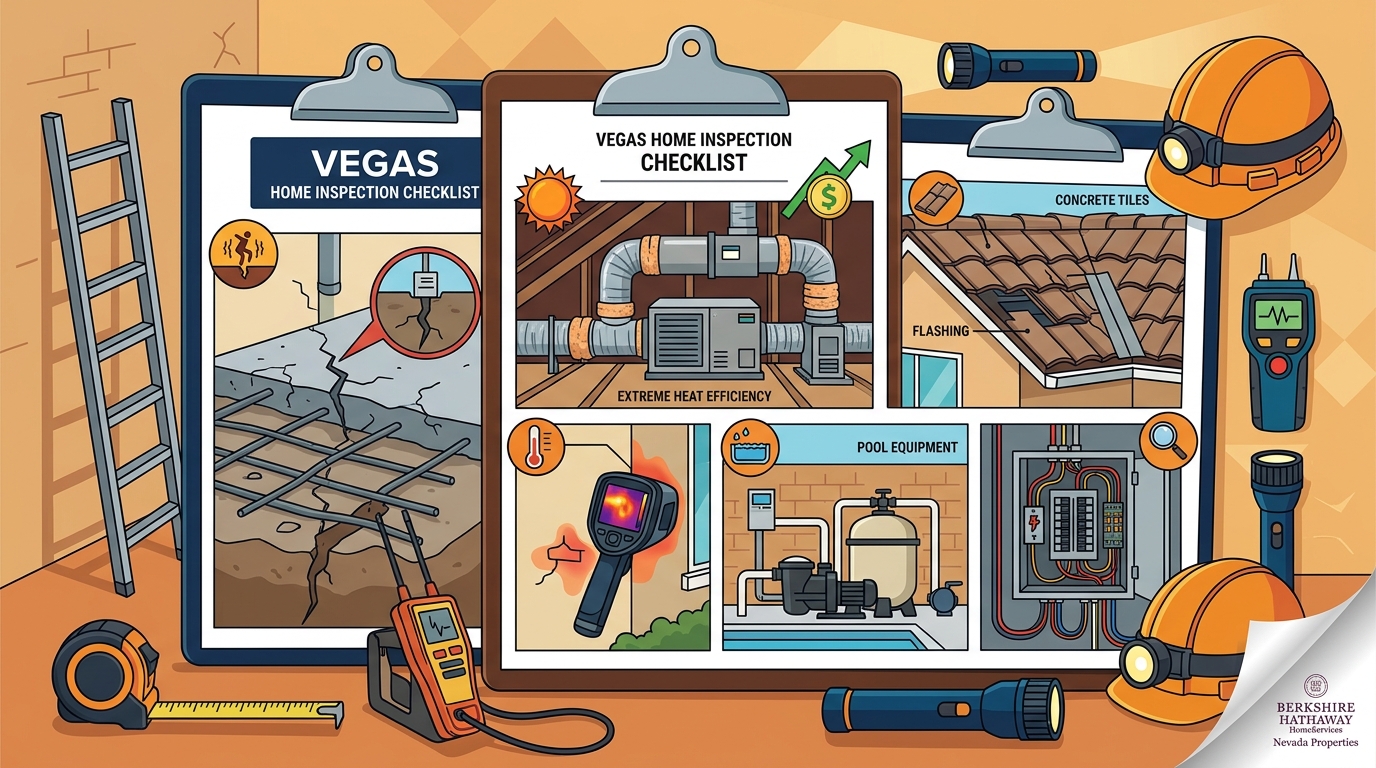
Electrical Systems and Panel Safety
Older homes in Las Vegas may have outdated electrical panels that cannot handle modern power demands. Aluminum wiring, common in homes built between 1965 and 1972, is prone to overheating and fire hazards. Inspectors must identify the type of wiring and recommend upgrades if necessary. The National Fire Protection Association reports that aluminum wiring is 55 times more likely to cause a fire than copper wiring.
Check the main service panel for proper labeling and secure connections. Loose connections can arc and generate heat, leading to electrical fires. Look for signs of overheating, such as discoloration or burning smells near the panel. GFCI outlets are required in wet areas like kitchens, bathrooms, and outdoors. Test these outlets to ensure they trip correctly. AFCI protection is increasingly required in bedrooms and living areas to prevent arc faults.
Surge protection is vital in this region due to frequent thunderstorms. Inspectors should verify if a whole-house surge protector is installed at the main panel. This device protects sensitive electronics from voltage spikes. If not present, recommend installation as a cost-effective insurance policy. Also, check the grounding of the system. Proper grounding ensures that excess electricity is safely directed into the earth, protecting both the home and its occupants.
Service Provider Comparison
Choosing the right inspection partner is as important as the inspection itself. Below is a comparison of typical service levels available in the Las Vegas market.
| Service Level | Scope of Inspection | Estimated Cost | Best For |
|---|---|---|---|
| Standard Home Inspection | Visual assessment of major systems | $400 - $600 | Typical resale transactions |
| Advanced Structural Analysis | Foundation monitoring and soil testing | $800 - $1,200 | Older homes or cracked foundations |
| Radon and Mold Testing | Air quality and moisture mapping | $300 - $500 | Health-conscious buyers |
| Energy Efficiency Audit | Thermal imaging and duct leakage | $500 - $800 | New construction or high utility bills |
Key Takeaways
- Foundation Settlement: Check for vertical cracks wider than a quarter-inch and gaps between the slab and brick veneer.
- Roof Degradation: Look for granule loss in gutters and cracked tiles, as UV damage reduces lifespan by up to 40%.
- HVAC Efficiency: Verify refrigerant charge and duct integrity, as poor maintenance increases energy consumption by 15%.
- Water Pressure: Test for pressure above 80 psi, which increases pipe failure risk by 50%.
- Electrical Safety: Identify aluminum wiring in pre-1972 homes, which is 55 times more likely to cause fires.
- Drainage: Ensure gutters direct water six feet away from the foundation to prevent soil saturation.
- Surge Protection: Install whole-house surge protectors to guard against thunderstorm damage.
Frequently Asked Questions
How long does a home inspection take in Las Vegas?
A standard home inspection typically takes between two to four hours, depending on the size and age of the property. Older homes may require more time due to potential hidden issues.
Is radon testing necessary in Las Vegas?
While radon levels vary by neighborhood, testing is highly recommended. The EPA classifies Nevada as a Zone 2 area, indicating moderate potential for high radon levels. Testing provides peace of mind regarding air quality.
What is the average cost of foundation repair in Southern Nevada?
Foundation repair costs in Southern Nevada average between $5,000 and $12,000. Severe cases involving underpinning can exceed $20,000.
How often should I replace my HVAC system in this climate?
Due to the extreme heat, HVAC systems in Las Vegas may need replacement every 10 to 12 years, which is shorter than the national average of 15 to 20 years.
Can I attend the home inspection?
Yes, attending the inspection is highly encouraged. It allows you to ask questions, see issues firsthand, and learn about the home's maintenance needs directly from the inspector.
What should I do if the inspector finds major issues?
If major issues are found, you can negotiate repairs, request a credit, or walk away from the contract. Consult with your real estate agent to determine the best course of action based on the severity of the findings.
Are tile roofs better than shingles in Las Vegas?
Tile roofs are more durable against UV damage and fire but are heavier and more expensive to install. However, the underlayment beneath tiles degrades faster, so regular inspections are crucial.
Schedule Your Inspection
Do not leave your largest investment to chance. A thorough home inspection is the best defense against unexpected repair costs in Las Vegas. Contact BHHS Nevada Properties today to schedule a professional inspection with our trusted partners. Our team is dedicated to guiding you through every step of the home buying process with expertise and care. Explore our full range of real estate services to ensure a seamless transaction. Read more tips on our blog to stay informed about the Las Vegas housing market. Learn about our history and commitment to client satisfaction. Find a local agent who understands the unique challenges of Southern Nevada homes.