
Buying a home in the Mojave Desert presents unique challenges that standard inspection checklists often overlook. According to the U.S. Environmental Protection Agency, the Southwest region experiences some of the most extreme temperature fluctuations in the country, which directly accelerates wear on residential infrastructure. This guide details the critical components you must evaluate to prevent unexpected financial burdens after closing.
Foundation and Soil Stability
The ground beneath your Las Vegas home is not static. Expansive clay soil is a geological term describing soil that swells when wet and shrinks when dry. This movement creates immense pressure on foundation slabs, leading to cracks and uneven flooring. During your inspection, look for diagonal cracks in drywall near door frames and gaps between walls and ceilings.
Drainage is equally critical. Water pooling near the foundation can soften the soil support structure. Ensure that the grading slopes away from the house and that gutters direct water at least six feet from the perimeter. If you are considering properties in older neighborhoods, check for signs of previous foundation repairs, such as patched concrete or steel piers.
For a deeper understanding of soil mechanics in residential construction, refer to the Colorado State University Extension on expansive soils. Their research highlights how moisture content changes directly correlate with structural damage severity. Additionally, the BHHS Nevada Communities page provides insights into specific neighborhood characteristics that may influence soil stability.
Roof Integrity and Exterior Envelope
Las Vegas receives over 300 days of sunshine annually. This constant UV exposure degrades roofing materials faster than in other regions. Granule loss is a condition where the protective coating on asphalt shingles wears away, exposing the asphalt base to heat and water. Inspect gutters for excessive granule accumulation, which indicates the roof is nearing the end of its lifespan.
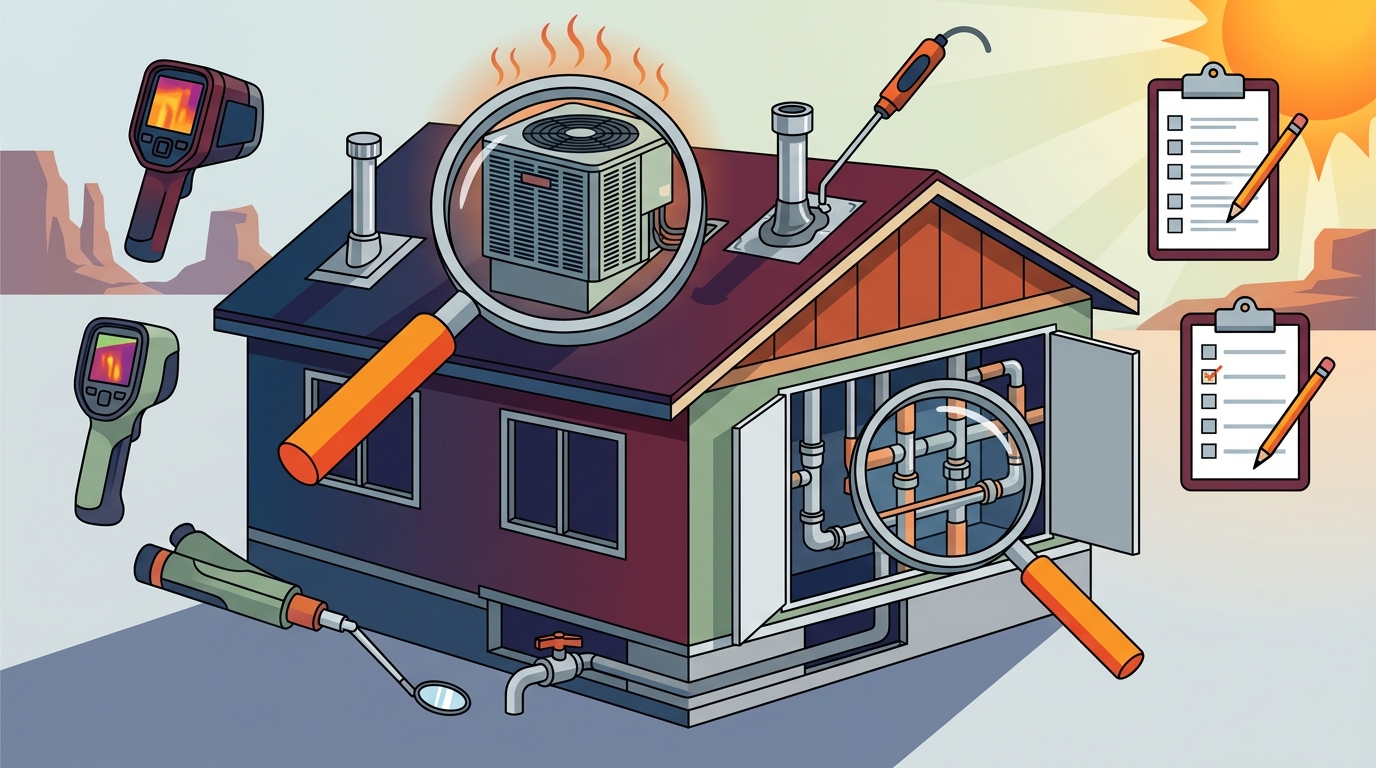
Check the flashing around chimneys, vents, and skylights. In high winds, which are common in the valley, loose flashing can lead to significant water intrusion during rare but intense monsoon storms. The exterior stucco should also be examined for hairline cracks, which can allow moisture to penetrate the wall cavity and cause rot.
According to the U.S. Department of Energy, reflective roofing materials can reduce cooling costs by up to 15 percent. When evaluating a home, ask the inspector to assess the condition of the current roof coating and its remaining warranty. You can also explore active listings with virtual tours to get a preliminary visual assessment of roof conditions.
HVAC Efficiency in Extreme Heat
Your heating, ventilation, and air conditioning system is the most critical mechanical component in a Las Vegas home. Temperatures regularly exceed 100 degrees Fahrenheit for months at a time. SEER rating stands for Seasonal Energy Efficiency Ratio, a metric that measures how efficiently an air conditioner uses energy. A lower SEER rating means higher monthly utility bills.
Inspect the age and condition of the AC unit. Units older than ten years may lack the efficiency of modern models. Check the condensate drain line for clogs, which can cause water damage to the interior of the home. The evaporator coil should be clean and free of debris. If the coil is dirty, it can freeze up and fail to cool the home effectively.
The EPA Energy Star program provides detailed guidelines on selecting efficient HVAC systems for hot climates. Upgrading to a high-efficiency unit can significantly reduce your carbon footprint and operating costs. For professional staging and renovation advice to prepare your home for sale, consider Apex Concierge Services.
Plumbing and Water Quality
Water in Nevada is a scarce and valuable resource. The local water supply often contains high levels of minerals, leading to hard water, which is water with high mineral content, usually calcium and magnesium. Hard water causes scale buildup in pipes, water heaters, and appliances, reducing their lifespan and efficiency.
Check for signs of leaks under sinks and around toilets. Water stains on ceilings or walls indicate past or present leaks that may have caused mold growth. Inspect the water heater for rust and corrosion. The anode rod, which prevents the tank from rusting, should be replaced every five to seven years.
According to the U.S. Geological Survey, hard water is prevalent in many western states and can impact household plumbing systems. Understanding your local water quality is essential for maintaining your home. For more information on financing your home purchase, review the Las Vegas Homes Financing FAQ.
Electrical System Safety
Older homes in Las Vegas may have outdated electrical systems that cannot handle modern power demands. Aluminum wiring is a type of electrical wiring used in homes from the 1960s and 1970s. It is prone to expansion and contraction, which can loosen connections and create fire hazards.
Check the electrical panel for double-tapped breakers, which occur when two wires are connected to a single breaker terminal not designed for it. This can cause overheating. Ensure that the home has adequate grounding and that GFCI outlets are installed in wet areas like kitchens, bathrooms, and exterior spaces.
The National Fire Protection Association reports that electrical failures are a leading cause of home fires. A thorough electrical inspection can identify potential hazards before they become dangerous. For expert guidance on finding the right home, connect with the Great Las Vegas Homes team at BHHS Nevada Properties.
Inspection Priority Comparison
| System Component | Primary Risk in Las Vegas | Estimated Repair Cost | Inspection Focus |
|---|---|---|---|
| Foundation | Soil expansion and contraction | $5,000 - $50,000+ | Cracks, grading, drainage |
| Roof | UV degradation and heat damage | $8,000 - $15,000 | Granule loss, flashing, age |
| HVAC | Overheating and efficiency loss | $5,000 - $10,000 | SEER rating, coil condition, age |
| Plumbing | Hard water scale and leaks | $1,000 - $5,000 | Water pressure, pipe material, leaks |
| Electrical | Fire hazard from outdated wiring | $2,000 - $10,000 | Panel condition, wiring type, grounding |
Key Takeaways
- Expansive clay soil is a primary cause of foundation damage in the Las Vegas valley.
- UV exposure significantly shortens the lifespan of roofing materials compared to other regions.
- High SEER ratings are essential for managing cooling costs in extreme desert heat.
- Hard water is common in Nevada and requires specific plumbing maintenance strategies.
- Aluminum wiring in older homes poses a serious fire risk and needs professional evaluation.
- Proper drainage and grading are critical to prevent water damage to the foundation.
- BHHS Nevada Properties offers comprehensive market reports to help you make informed decisions.
Frequently Asked Questions
How much does a home inspection cost in Las Vegas?
The average cost for a standard home inspection in Las Vegas ranges from $400 to $600, depending on the size and age of the property. Additional specialized inspections for pests or radon may cost extra.
What is the most common issue found in Las Vegas home inspections?
Foundation cracks and drainage issues are among the most frequently cited problems due to the region's expansive soil conditions. Roof damage from UV exposure is also very common.
Should I hire a separate pest inspector?
Yes, it is highly recommended. Termites and other wood-destroying insects are prevalent in Nevada. A specialized inspection can identify active infestations that a general inspector might miss.
How does the desert climate affect home maintenance?
The dry heat accelerates the aging of exterior materials like paint, stucco, and roofing. It also increases the workload on HVAC systems, leading to more frequent maintenance needs.
Can I negotiate repairs after the inspection?
Yes, you can negotiate repairs, credits, or a price reduction based on the inspection findings. This is a standard part of the real estate transaction process in Nevada.
What should I look for in the attic during an inspection?
Check for adequate insulation, proper ventilation, and signs of water intrusion. Poor attic ventilation can lead to excessive heat buildup, which strains the roof and HVAC system.
Are there specific neighborhoods in Las Vegas with higher foundation risks?
Older neighborhoods built on natural desert floor may have different soil stability profiles compared to newer developments with engineered fill. Researching the specific history of a community is advisable.
Contact BHHS Nevada Properties
Navigating the complexities of a Las Vegas home inspection requires local expertise and a thorough understanding of the unique environmental factors at play. BHHS Nevada Properties is dedicated to helping you find the home of your dreams while protecting your investment. Our professional real estate agents provide in-depth market reports and expert guidance every step of the way.
Ready to start your home search? Visit our homepage to browse current listings or contact our team today to schedule a consultation. Let us help you avoid unexpected repair costs and secure your future in the Las Vegas valley.