
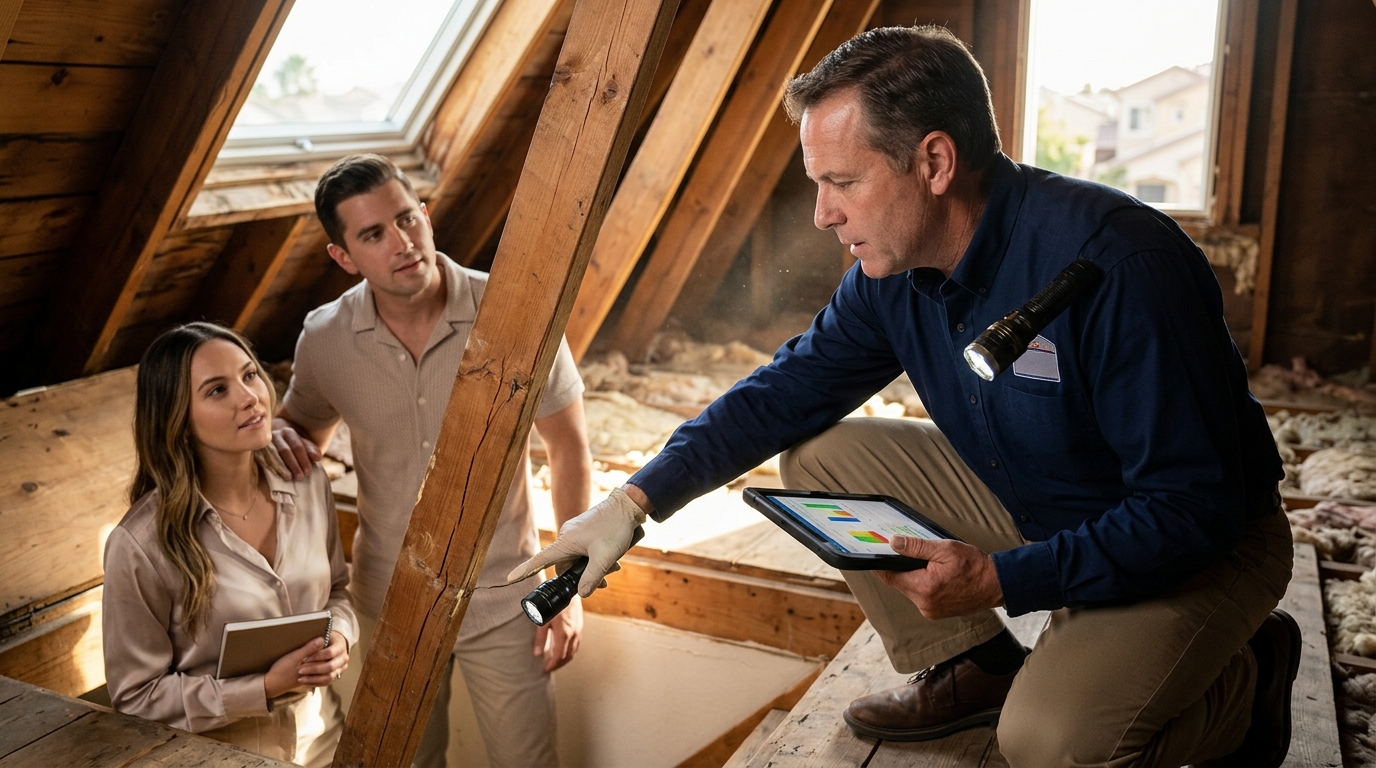
What Should I Look for During a Home Inspection to Avoid Unexpected Repair Costs in Las Vegas?
Las Vegas real estate presents unique challenges for homebuyers due to the extreme desert climate and specific geological conditions. According to the U.S. Geological Survey, the region is prone to seismic activity and soil expansion issues that can silently damage foundations over time. Ignoring these localized risks during the initial walkthrough can lead to repair bills exceeding thousands of dollars within the first year of ownership. This guide details the critical inspection points every buyer must verify to protect their investment in the Valley.
Foundation and Soil Stability
The most critical component of any Las Vegas home is its foundation. The area sits on expansive clay soils that swell when wet and shrink during droughts. This constant movement puts immense stress on concrete slabs and stem walls. A professional inspector will look for cracks in the interior drywall, particularly around door frames and windows. These cracks often signal that the house is shifting unevenly.
Exterior signs are equally important. Look for gaps between the garage door and the frame or uneven floors that cause doors to stick. If the inspector finds significant foundation movement, the repair costs can range from $5,000 to $50,000 depending on the severity. You must understand that foundation repair is not a minor cosmetic fix. It requires specialized engineering and underpinning techniques to stabilize the structure.
Additionally, check the grading around the perimeter of the home. Proper drainage is essential to prevent water from pooling near the foundation. In Las Vegas, flash floods can occur even in dry seasons. Poor grading directs water toward the slab, leading to erosion and eventual structural failure. Ensure that downspouts extend at least six feet away from the house to mitigate this risk.
Roofing and Heat Damage
Las Vegas experiences over 300 days of sunshine annually. This intense UV exposure accelerates the degradation of roofing materials. Asphalt shingles, which are common in many neighborhoods, become brittle and curl over time. A thorough inspection must include a close examination of the shingle granules. If you see excessive granule loss in the gutters, the roof is nearing the end of its lifespan.
Flat roofs are also prevalent in many Las Vegas communities. These roofs rely on membrane materials that can crack under thermal expansion and contraction. Inspectors should check for blisters, cracks, or punctures in the membrane. Water pooling on flat roofs is a major red flag. It indicates poor drainage design, which can lead to leaks and interior water damage. Roof replacement is one of the most expensive repairs a homeowner can face.
Look at the flashing around chimneys, vents, and skylights. These areas are prone to leakage because the metal expands and contracts at different rates than the roof material. If the flashing is loose or corroded, water will seep into the attic and insulation. This can cause mold growth and rot the wooden rafters. Ask the inspector to provide photos of the roof condition from the ground level before climbing up.
HVAC System Efficiency
Heating, ventilation, and air conditioning systems work overtime in the desert. It is common for AC units to run nearly 24/7 during the summer months. This continuous operation puts significant wear on the compressor and fan motors. An inspector should check the age of the unit and the condition of the refrigerant lines. If the system is older than ten years, it may be inefficient and costly to repair.
Check the air filter and the condenser coils. Dirty coils reduce efficiency and force the system to work harder, increasing energy bills. The inspector should also verify that the thermostat is calibrated correctly. A malfunctioning thermostat can cause the AC to cycle on and off too frequently, leading to premature failure. HVAC replacement costs in Las Vegas average between $5,000 and $12,000.
Don't forget the heating component. While cooling is the primary concern, gas furnaces are still used for winter comfort. Inspect the heat exchanger for cracks. A cracked heat exchanger can leak carbon monoxide into the home. This is a serious safety hazard that requires immediate professional attention. Ensure that the flue pipe is properly connected and sealed to prevent gas leaks.
Plumbing and Water Pressure
Water is a precious resource in Nevada. Plumbing systems in older homes may have galvanized steel pipes that corrode over time. This corrosion restricts water flow and can lead to sudden bursts. Inspectors should check the water pressure at multiple fixtures. Low pressure might indicate blockages or pipe deterioration.
Look for signs of leaks under sinks and around toilets. Water stains on the ceiling below the bathroom are a clear indicator of a leak. Even small leaks can cause significant damage to subflooring and drywall. In Las Vegas, the water supply can be hard, leading to mineral buildup in pipes and appliances. This buildup reduces the lifespan of water heaters and washing machines.
Check the water heater for rust and corrosion. If the tank is leaking, it must be replaced immediately. Inspectors should also verify that the pressure relief valve is functioning correctly. A faulty valve can cause the tank to explode under high pressure. Ensure that the gas line to the water heater is secure and free of leaks. Water damage restoration can cost thousands of dollars if left untreated.
Electrical Safety and Wiring
Older homes in Las Vegas may have outdated electrical systems that cannot handle modern power demands. Aluminum wiring, common in homes built between the 1960s and 1970s, is prone to overheating and fire hazards. Inspectors should identify the type of wiring in the main panel. If aluminum wiring is present, it may need to be replaced or retrofitted with special connectors.
Check the main service panel for signs of arcing or corrosion. Breakers that trip frequently indicate an overloaded circuit. This is a common issue in homes with multiple high-power appliances. The inspector should verify that the panel is up to code and has adequate amperage for current needs. Electrical upgrades can cost between $2,000 and $5,000.
Look for GFCI outlets in wet areas such as kitchens, bathrooms, and garages. These outlets are designed to prevent shock hazards. If they are missing or not functioning, they must be installed. Also, check for AFCI breakers in bedrooms. These breakers detect arc faults and prevent fires. Ensure that all outlets are grounded and that the polarity is correct. Faulty wiring is a leading cause of residential fires.
Inspection Service Comparison
Choosing the right inspection service is crucial for accurate results. Below is a comparison of standard inspection types available in the Las Vegas market.
| Inspection Type | Focus Area | Estimated Cost | Recommended For |
|---|---|---|---|
| General Home Inspection | Structure, Roof, HVAC, Electrical, Plumbing | $400 - $600 | All residential buyers |
| Foundation Inspection | Soil stability, slab cracks, drainage | $300 - $500 | Homes over 20 years old |
| Roof Inspection | Shingle condition, flashing, membrane | $200 - $400 | Homes with older roofs |
| Termite/Pest Inspection | Wood-destroying organisms, moisture damage | $150 - $300 | All buyers in desert regions |
Key Takeaways
- Foundation Risks: Expansive clay soil in Las Vegas causes significant structural movement. Look for cracks in drywall and uneven floors.
- Roof Degradation: Intense UV exposure shortens the lifespan of shingles and flat roof membranes. Check for granule loss and blisters.
- HVAC Strain: AC units run continuously in the desert. Verify the age and efficiency of the system to avoid high replacement costs.
- Plumbing Integrity: Hard water and old pipes can lead to blockages and leaks. Test water pressure and check for corrosion.
- Electrical Safety: Older homes may have aluminum wiring or outdated panels. Ensure the system is up to code and grounded.
- Professional Help: Hire a licensed inspector familiar with Las Vegas specific conditions. General inspectors may miss regional nuances.
- Cost Avoidance: Addressing minor issues during inspection can save tens of thousands in future repairs.
Frequently Asked Questions
How long does a home inspection take in Las Vegas?
A standard home inspection typically takes between two and four hours. The duration depends on the size of the home and its age. Older homes may require more time due to potential issues with outdated systems.
What is the cost of a home inspection in Las Vegas?
The average cost for a general home inspection in Las Vegas ranges from $400 to $600. Additional specialized inspections, such as for foundation or roof, will increase the total cost.
Should I hire a separate inspector for the foundation?
It is highly recommended to hire a separate foundation specialist if the home is older than 20 years or if you notice signs of movement. General inspectors may not have the expertise to diagnose complex soil issues.
How does the desert climate affect home maintenance?
The dry climate causes wood to shrink and crack. It also accelerates the aging of roofing materials and exterior paint. Regular maintenance is essential to prevent costly repairs.
What should I do if the inspection reveals major issues?
If major issues are found, you can negotiate with the seller for repairs or a price reduction. You can also choose to walk away from the deal if the issues are too severe.
Are termite inspections necessary in Las Vegas?
Yes, termite inspections are necessary. While termites are less common than in humid regions, they still exist in Las Vegas. Moisture issues can attract other pests that damage wood.
Can I attend the home inspection?
Yes, you are encouraged to attend the inspection. It is a great opportunity to ask questions and see the condition of the home firsthand. The inspector can point out key areas of concern.
Schedule Your Inspection
Protect your investment by ensuring your Las Vegas home is thoroughly inspected. Don't wait for problems to arise. Contact Berkshire Hathaway HomeServices Nevada Properties today to schedule a professional inspection. Our team of experts is ready to help you navigate the home buying process with confidence. Visit our services page to learn more about our comprehensive real estate solutions. We are committed to providing you with the best possible outcome for your home purchase.