
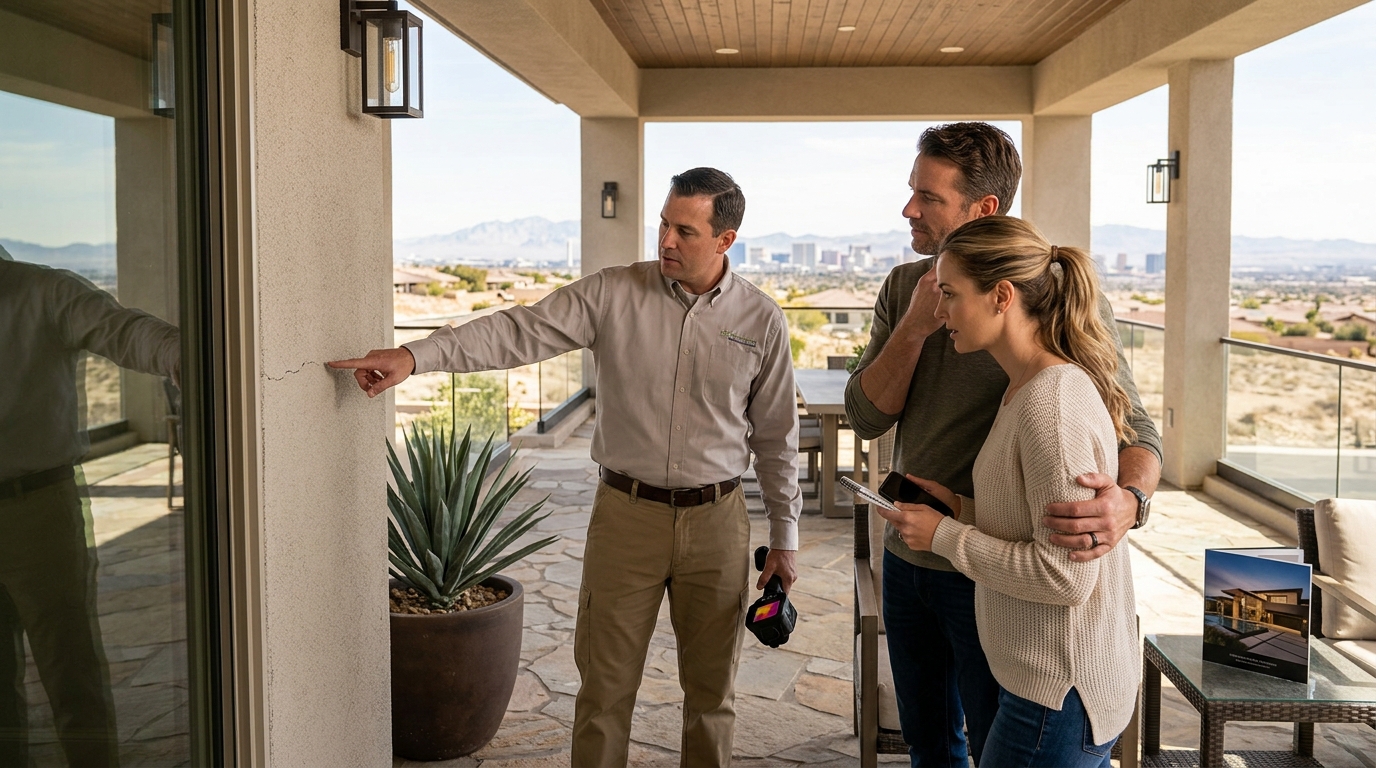
Las Vegas real estate presents unique challenges for homebuyers due to the extreme desert climate and specific geological conditions. According to the U.S. Geological Survey, the region experiences significant seismic activity and soil expansion issues that can compromise structural integrity over time. Buyers who skip a thorough, specialized inspection often face repair bills exceeding $10,000 within the first year of ownership. This guide details exactly what to scrutinize during your inspection to protect your investment in the Valley.
Soil and Foundation Risks in the Valley
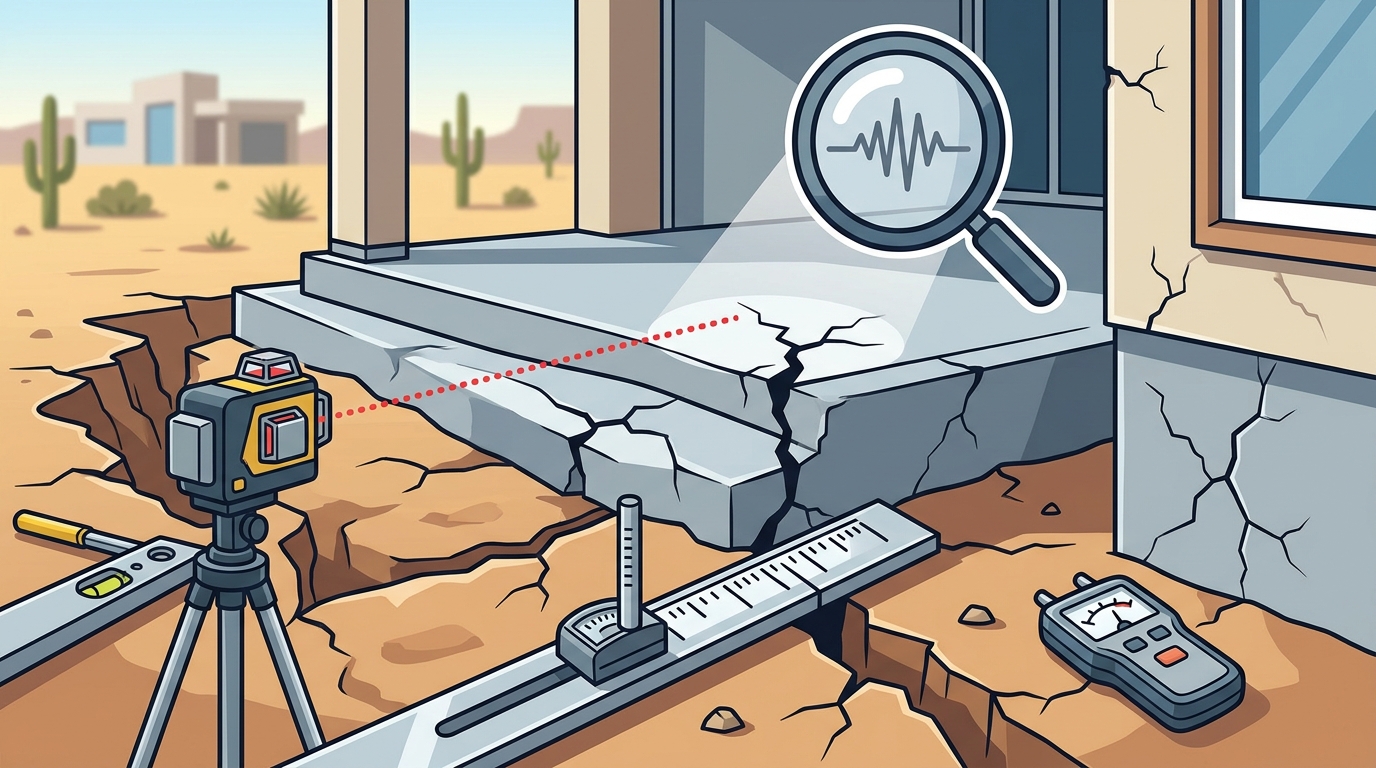
The ground beneath your future home is the first line of defense against catastrophic repair costs. Las Vegas sits on a mix of alluvial fans and desert pavement, which creates a high risk for expansive soil behavior. Expansive soil is soil that swells when wet and shrinks when dry, causing the foundation to shift. This movement can lead to cracks in drywall, sticking doors, and uneven floors.
During your inspection, look for these specific signs of foundation distress:
- Cracked Slabs: Check the perimeter of the home for wide cracks in the concrete slab. Hairline cracks are normal, but gaps wider than a quarter inch indicate significant movement.
- Door Alignment: Test all interior and exterior doors. If doors do not latch properly or swing open on their own, the frame may be distorted by shifting soil.
- Gaps in Walls: Inspect the junction where walls meet ceilings and floors. Gaps here suggest the structure is pulling apart.
According to data from the National Association of Realtors, foundation repairs are among the most expensive post-purchase surprises, often costing between $5,000 and $15,000 depending on severity. A specialized structural engineer evaluation may be necessary if the inspector identifies major red flags. You can learn more about professional real estate services to understand how these findings impact your negotiation power.
HVAC Efficiency and Cooling Demands
In Las Vegas, the air conditioning system is not just a comfort feature; it is a survival necessity. The average summer temperature frequently exceeds 100 degrees Fahrenheit, placing immense strain on HVAC units. An aging or inefficient system can lead to exorbitant utility bills and sudden failure during peak heat waves.
Key inspection points for your HVAC system include:
- Unit Age and Model: Ask for the manufacturing date. Units older than 10 to 15 years are nearing the end of their lifecycle and may require full replacement.
- Cooling Capacity: Ensure the system is properly sized for the square footage of the home. An undersized unit will run constantly, leading to premature wear.
- Ductwork Integrity: Inspect visible ductwork for disconnections or gaps. Leaky ducts can waste up to 30% of conditioned air, according to the U.S. Department of Energy.
When evaluating a home, consider the current market trends in Las Vegas, where energy-efficient homes are commanding higher resale values. A high-efficiency HVAC system can be a significant selling point and a cost saver for you.
Plumbing Integrity and Water Pressure
Water is a precious resource in the desert, and plumbing issues can lead to hidden mold growth and structural damage. Older homes in established neighborhoods like downtown Las Vegas may still have galvanized steel pipes, which are prone to corrosion and reduced water pressure over time.
Look for these plumbing warning signs:
- Water Pressure: Turn on multiple faucets simultaneously. Low pressure may indicate clogged pipes or supply line issues.
- Visible Leaks: Check under all sinks for water stains, mold, or soft wood. These are signs of slow, ongoing leaks that can rot cabinetry.
- Water Heater Condition: Inspect the water heater for rust, corrosion, or signs of leakage. The age of the unit should be clearly marked on the manufacturer's tag.
According to the Insurance Institute for Business and Home Safety, water damage is the most common type of home insurance claim. Addressing plumbing issues before closing can save you thousands in potential remediation costs. For more insights on home buying tips, review our comprehensive guides on property due diligence.
Electrical Systems and Safety Codes
Electrical systems in older Las Vegas homes may not meet modern safety standards. Aluminum wiring, common in homes built between the 1960s and 1970s, is a known fire hazard and requires specialized remediation. Additionally, outdated panels may not support the electrical load of modern appliances.
Critical electrical inspection items include:
- Panel Condition: Look for signs of rust, burning, or double-tapped breakers. These indicate a panel that is unsafe or overloaded.
- Wiring Type: Verify if the home has copper or aluminum wiring. If aluminum, ensure proper pig-tailing connections have been installed.
- GFCI Protection: Test all outlets in kitchens, bathrooms, and exterior areas for Ground Fault Circuit Interrupter (GFCI) functionality. This is a critical safety feature required by modern codes.
The National Fire Protection Association reports that electrical failure is a leading cause of home fires. Ensuring your new home has a safe, up-to-date electrical system is non-negotiable for long-term safety and insurance compliance.
Roofing, Gutters, and Drainage
While Las Vegas is arid, it experiences intense monsoon seasons with heavy, sudden downpours. Poor drainage can lead to water pooling around the foundation, exacerbating the soil expansion issues mentioned earlier. The roof must be in good condition to withstand high winds and UV degradation.
Inspect the following exterior elements:
- Roof Shingles: Look for curling, cracking, or missing shingles. UV exposure can make shingles brittle and prone to failure.
- Gutter Function: Ensure gutters are securely attached and direct water at least five feet away from the foundation. Clogged or broken gutters can cause water to overflow onto the roof and foundation.
- Landscaping Grading: Check that the ground slopes away from the house. Proper grading is essential for directing rainwater away from the structure.
According to the Federal Emergency Management Agency, proper drainage is the most effective way to prevent water damage during flash floods. A well-maintained exterior protects the core of your home from the elements.
Inspection Service Comparison
Choosing the right inspection provider is crucial. Below is a comparison of standard inspection types to help you understand what to expect.
| Inspection Type | Scope | Typical Cost | When to Choose |
|---|---|---|---|
| General Home Inspection | Overall condition of structure, systems, and components | $400 - $600 | Standard for all home purchases |
| Foundation Specialist | Detailed analysis of soil, slab, and structural integrity | $500 - $1,000 | When general inspection reveals cracks or movement |
| HVAC Inspection | Efficiency, age, and mechanical health of cooling systems | $200 - $400 | For older homes or units over 10 years old |
| Radon Testing | Measurement of radon gas levels in the home | $150 - $300 | Recommended for all homes in Nevada |
Key Takeaways
- Soil Movement: Expansive soil is a primary risk in Las Vegas. Look for cracks in slabs and sticking doors as early warning signs.
- HVAC Criticality: The air conditioning system is vital. Check the age and efficiency of the unit to avoid high utility bills.
- Plumbing Age: Galvanized pipes in older homes can corrode, leading to low pressure and leaks. Verify pipe material during inspection.
- Electrical Safety: Aluminum wiring and outdated panels are fire hazards. Ensure the home meets modern electrical codes.
- Drainage: Proper grading and gutter function are essential to protect the foundation from monsoon rains.
- Professional Help: Engage specialized inspectors for foundation, radon, and HVAC issues when red flags appear.
- Negotiation Power: Use inspection findings to negotiate repairs or credits, reducing your upfront costs.
Frequently Asked Questions
How long does a home inspection take in Las Vegas?
A standard home inspection typically takes between two to four hours, depending on the size and age of the property. Larger homes or those with complex systems may require more time.
What is the cost of a home inspection in Las Vegas?
The average cost for a general home inspection in Las Vegas ranges from $400 to $600. Additional specialized inspections, such as for radon or foundation, will incur extra fees.
Should I hire a separate inspector for the foundation?
If the general inspector identifies signs of foundation movement, such as significant cracks or uneven floors, it is highly recommended to hire a structural engineer for a detailed evaluation.
How does the desert climate affect home maintenance?
The extreme heat and UV exposure can degrade roofing materials, dry out wood, and strain HVAC systems. Regular maintenance is crucial to prevent premature failure of these components.
What should I do if the inspection reveals major issues?
If major issues are found, you can negotiate with the seller to make repairs, provide a credit at closing, or even withdraw from the contract if the problems are severe enough, depending on your inspection contingency.
Is radon testing necessary in Las Vegas?
Yes, radon testing is highly recommended in Nevada. Radon is a radioactive gas that can seep into homes from the ground, and testing is the only way to determine if levels are safe.
Can I attend the home inspection?
It is highly encouraged to attend the inspection. This gives you the opportunity to ask questions, see issues firsthand, and learn about the home's maintenance needs from the inspector.
Schedule Your Professional Inspection
Protecting your investment in Las Vegas requires a meticulous approach to home inspections. By understanding the unique risks associated with the desert environment, you can avoid unexpected repair costs and ensure a smooth transition into your new home. Trust the experts at Berkshire Hathaway HomeServices Nevada Properties to guide you through the process. Contact us today to schedule your comprehensive home inspection and secure your future with confidence.