
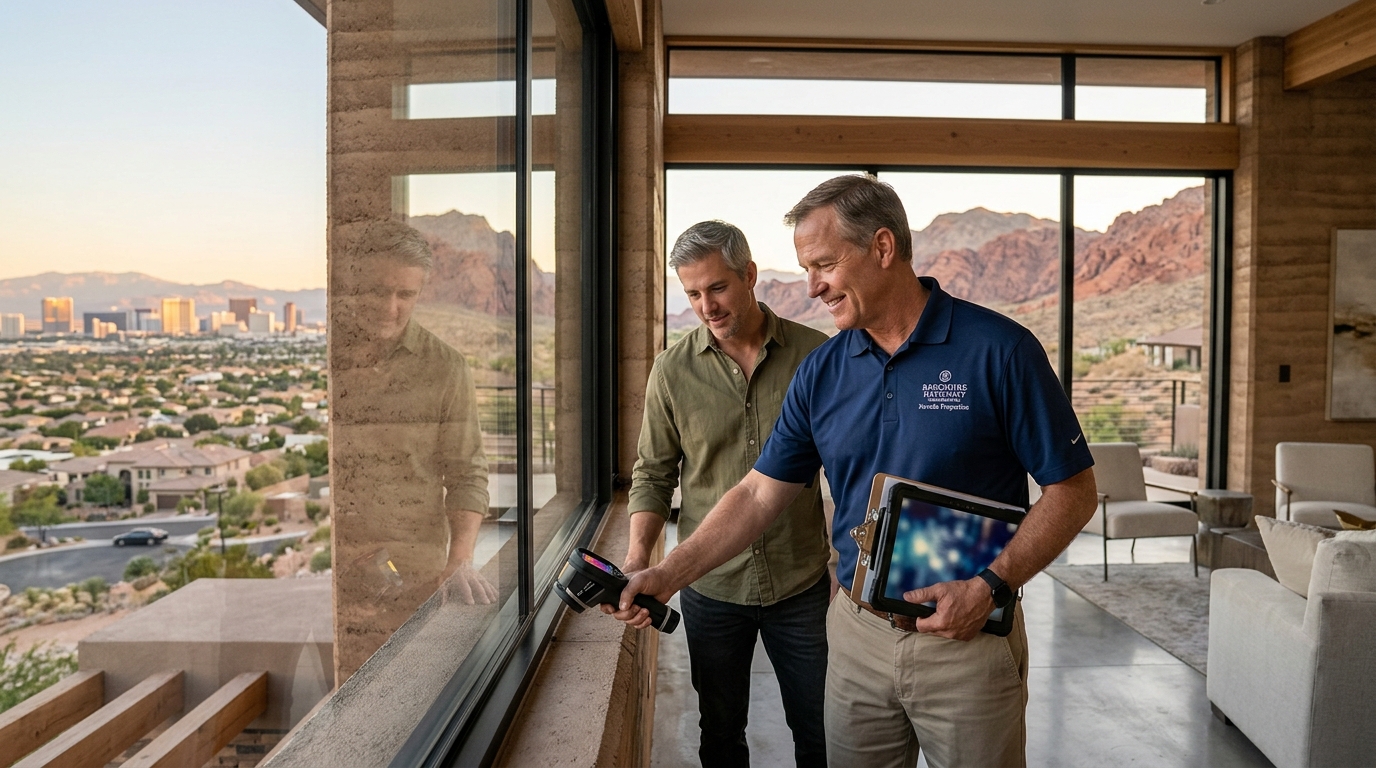
Buying a home in the Mojave Desert presents unique challenges that standard inspections often overlook. According to recent market data, structural and environmental issues account for nearly 40% of post-closing repair disputes in Clark County. This guide details the critical inspection points for Las Vegas properties to protect your investment. (Nevada Properties Blog 8211)
Soil and Foundation Integrity
Las Vegas sits on expansive clay soils that swell and shrink with moisture changes. This movement puts immense pressure on home foundations. A thorough inspection must identify cracks in slab foundations, which are common in mid-century homes built before modern engineering standards. (Apex Concierge Services BHHS)
Look for uneven floors or doors that stick. These are early signs of foundation shift. If you are buying in older neighborhoods, check for hairline cracks in drywall near door frames. These indicate minor settling, but wide gaps suggest serious structural issues. (Relocation Services)
Foundation repair costs can exceed $10,000. Addressing these issues before closing is essential. Get a home value estimate to understand how foundation health impacts your equity.
Slab vs. Pier Foundations
Most Las Vegas homes use slab-on-grade foundations. These are cost-effective but harder to repair if they fail. Newer constructions may use pier foundations, which offer better stability on unstable soil. Ask your inspector to verify the foundation type and its current condition.
HVAC and Cooling Systems
Las Vegas experiences extreme heat for over eight months of the year. Your HVAC system is not a luxury; it is a survival necessity. A standard inspection often checks if the unit turns on, but it rarely tests efficiency under load.
Request a performance test during the inspection. The unit should cool the home to 72 degrees within a reasonable timeframe. Old units, especially those over 15 years, may struggle to maintain temperature during peak summer heat.
Replacing an HVAC system in Nevada costs between $5,000 and $15,000. Ensure the ductwork is sealed properly to prevent energy loss. Explore mortgage options to see how energy-efficient upgrades might affect your loan terms.
Ductwork Leaks
Leaky ducts can waste up to 30% of conditioned air. This drives up utility bills significantly. Have your inspector check for visible gaps or disconnected sections in the attic or crawl spaces. Sealing these leaks is a relatively low-cost fix that pays for itself quickly.
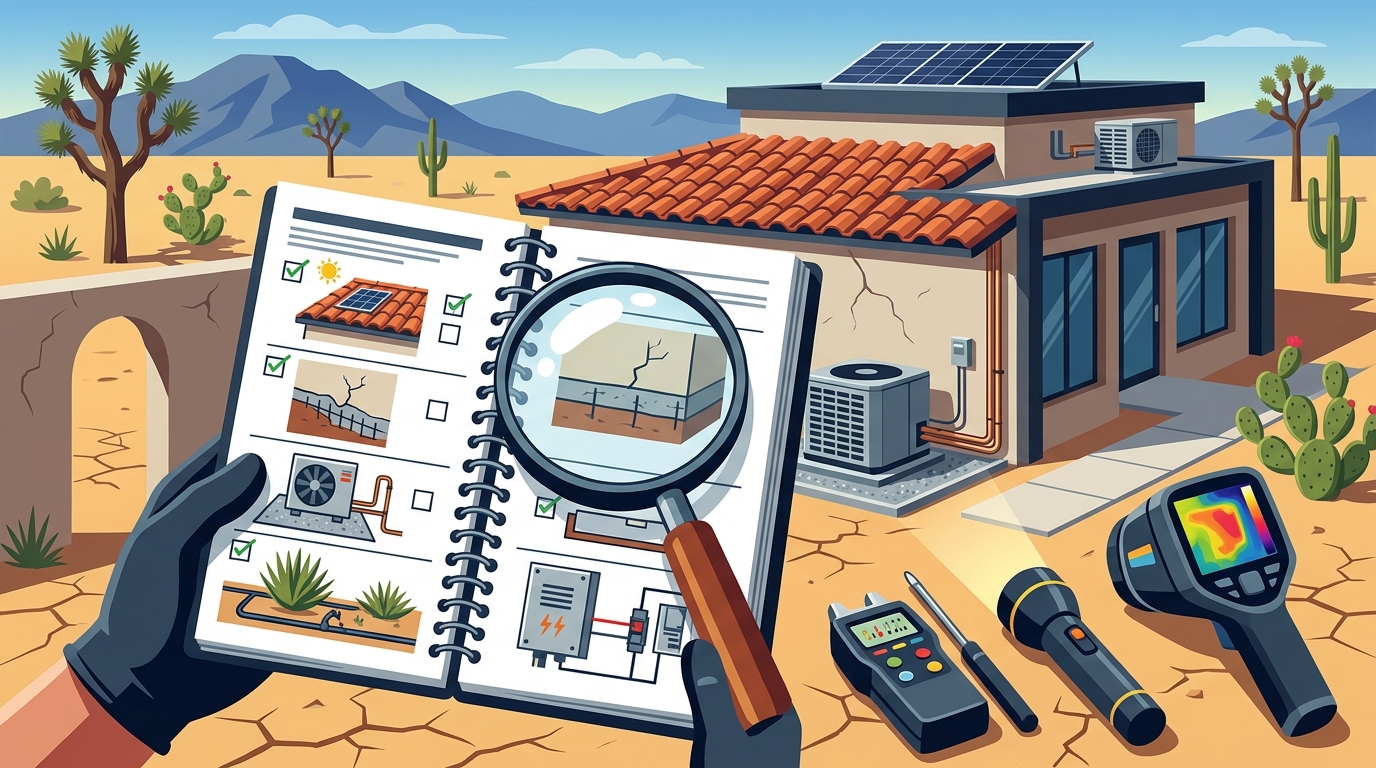
Plumbing and Water Damage
Water is scarce in the desert, but plumbing leaks are still a major risk. Look for signs of past leaks in ceilings, under sinks, and around the water heater. Stained ceilings often indicate roof leaks or pipe failures above.
Check the water pressure. Low pressure might indicate clogged pipes or supply issues. High pressure can damage appliances and pipes over time. Install a pressure regulator if the reading exceeds 80 PSI.
Water damage repair costs average $3,000 to $7,000 depending on the extent. Review financing FAQs to understand coverage for immediate repairs.
Slab Leaks
Slab leaks are particularly dangerous in Las Vegas. They occur when pipes under the concrete foundation corrode or break. Signs include warm spots on the floor, unexplained increases in water bills, and the sound of running water when no fixtures are on.
Electrical Safety Standards
Older homes in Las Vegas may have outdated electrical systems. Aluminum wiring, common in the 1960s and 70s, is a fire hazard. It expands and contracts more than copper, leading to loose connections and overheating.
Ask your inspector to verify the wiring material. If aluminum is present, plan for a full rewiring or the installation of COPR connectors. Electrical upgrades can cost $5,000 to $10,000.
Ensure the electrical panel is up to code. Double-breaker panels or missing breakers are safety risks. Learn about loan types that might cover renovation costs.
Panel Capacity
Modern homes require more power for EV chargers and smart devices. A 100-amp service may be insufficient. Upgrading to 200 amps is a wise investment for future-proofing your home.
Roofing and Gutter Maintenance
The intense sun degrades roofing materials faster in Las Vegas than in other regions. Shingles may curl or crack prematurely. Check for granule loss in gutters, which indicates aging shingles.
Gutters must be clear and functional. Debris can cause water to back up and damage the roof edge or foundation. Ensure downspouts direct water away from the house.
Roof replacement costs range from $8,000 to $15,000. Understand mortgage basics to budget for this major expense.
Tile Roof Inspections
Tile roofs are popular in Las Vegas for their durability. However, individual tiles can crack from foot traffic or falling debris. Inspect for broken tiles and check the underlying underlayment, which may be worn.
Key Takeaways
- Foundation Health: Check for slab cracks and uneven floors to avoid $10,000+ repairs.
- HVAC Load Test: Demand a performance test to ensure cooling capacity during peak heat.
- Slab Leak Detection: Watch for warm floor spots and unexplained water bill spikes.
- Electrical Wiring: Identify aluminum wiring in pre-1980 homes to prevent fire hazards.
- Roof Degradation: Inspect for granule loss and cracked tiles due to UV exposure.
- Water Pressure: Test for high pressure to protect appliances and pipes from damage.
- Professional Help: Use BHHS Nevada Realtors for expert guidance.
Frequently Asked Questions
How long does a home inspection take in Las Vegas?
A standard inspection takes 2 to 4 hours depending on the home size and age. Larger luxury estates may require additional time for specialized systems.
What is the cost of a home inspection in Las Vegas?
Inspections typically cost between $400 and $600. Additional tests for radon, mold, or sewer lines may add to the total.
Should I attend the home inspection?
Yes, attending allows you to ask questions and see issues firsthand. It provides valuable insight into home maintenance.
What if the inspection reveals major issues?
You can negotiate repairs, request a credit, or walk away from the deal. Review selling strategies for context on negotiation power.
Are there specific pests to look for in Las Vegas homes?
Termites and carpenter ants are common. Look for mud tubes on foundations and wood damage near the ground.
How does the desert climate affect home maintenance?
Extreme heat and dry air cause materials to expand and contract. Regular maintenance of seals, roofs, and HVAC systems is critical.
What is the best time to inspect a home?
Inspecting during different seasons can reveal issues like roof leaks in spring or HVAC performance in summer.
Next Steps
Do not risk your investment on a superficial inspection. Partner with BHHS Nevada Properties for expert guidance. Our team connects you with top inspectors and real estate professionals. Contact us today to start your home buying journey with confidence.