
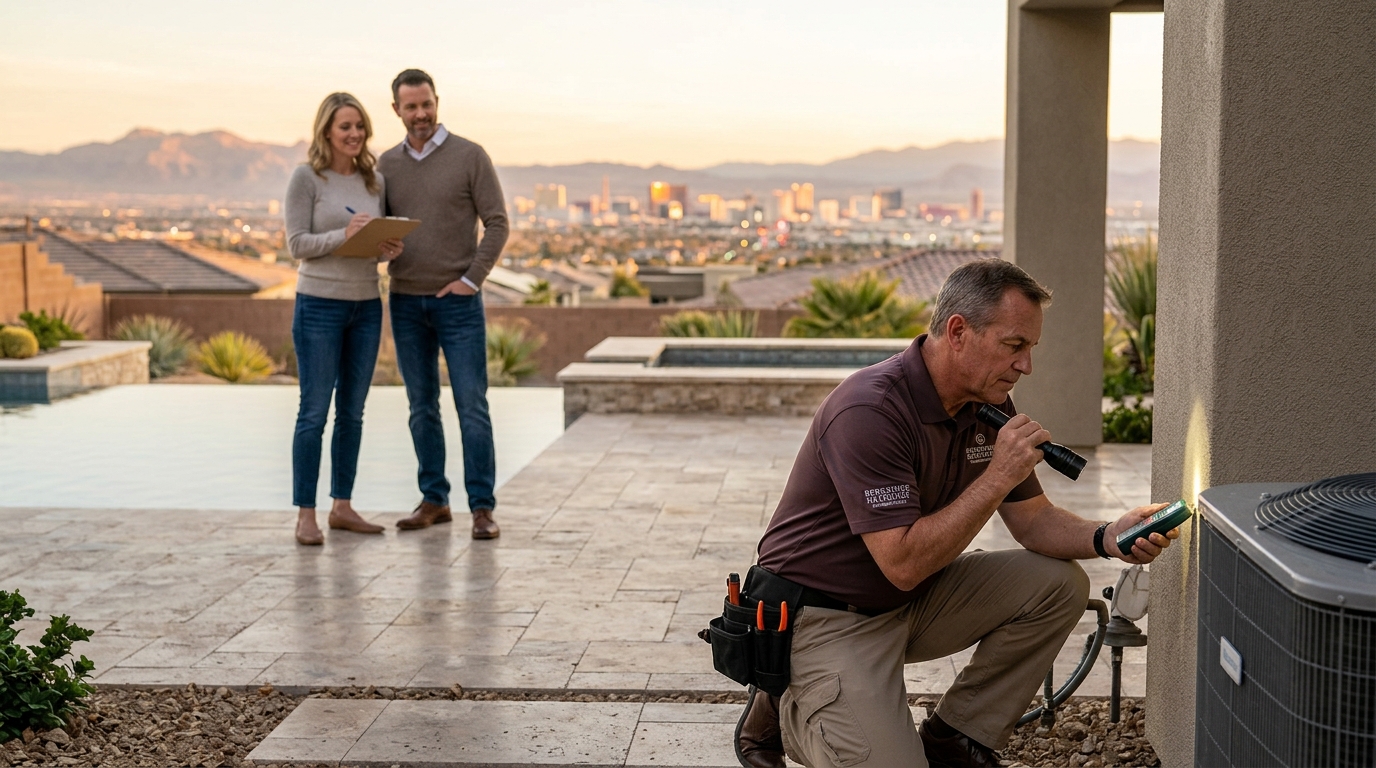
Buying a home in the Mojave Desert presents unique challenges that standard inspections often miss. According to recent market data, homes in the Las Vegas valley face distinct environmental stressors that can lead to significant post-closing expenses if not identified early. This guide outlines the critical inspection points for Las Vegas properties to help you protect your investment. (Nevada Properties Blog 8211)
Foundation and Soil Stability
The ground beneath your home is the first line of defense against structural failure. Las Vegas sits on expansive clay soils that swell and shrink with moisture changes. This movement can cause cracks in slabs and foundation walls.
Expansive soil is a type of clay that expands when wet and shrinks when dry. During an inspection, look for diagonal cracks in drywall, sticking doors, and gaps between walls and ceilings. These are early warning signs of foundation movement.
Ask your inspector to check the perimeter drainage. Poor grading directs water toward the foundation, exacerbating soil expansion. Ensure downspouts extend at least five feet away from the house. If the property has a history of flooding, request a separate geotechnical report.
For more insights on local market conditions, visit our Market Reports page.
Roof and Exterior Envelope
The Nevada sun is relentless. UV radiation degrades roofing materials faster than in other regions. Shingles may curl, crack, or lose their granular coating prematurely. This degradation reduces the roof's lifespan and increases the risk of leaks.
Thermal shock is the rapid expansion and contraction of materials due to extreme temperature fluctuations. This phenomenon stresses roof seams and flashing. Inspectors should check for loose or missing flashing around chimneys, vents, and skylights.
Exterior stucco is common in Las Vegas. Look for hairline cracks or soft spots, which indicate moisture intrusion. Moisture behind stucco can lead to rot in the underlying wood framing. Ensure all exterior seals around windows and doors are intact to keep out dust and pests.
Explore our Property Spotlight listings to see well-maintained luxury homes.
HVAC and Cooling Efficiency
In Las Vegas, your air conditioning system works overtime. It is not a luxury; it is a necessity for survival. A failing AC unit in July can cost thousands in emergency repairs and health risks.
SEER is the Seasonal Energy Efficiency Ratio, a measure of an air conditioner's cooling output divided by its energy input. Older units may have low SEER ratings, leading to exorbitant electricity bills. Inspectors should check the age, condition, and maintenance history of the HVAC system.
Check the condensate drain line. Clogs can cause water damage to ceilings and walls. Ensure the outdoor condenser unit is clean and free of debris. Dust and sand accumulation reduces efficiency and strains the compressor.
Learn about Buyer Relocation Services to help with your move to Las Vegas.
Plumbing and Water Quality
Las Vegas water comes from Lake Mead and the Colorado River. While treated, it can have high mineral content. Hard water causes scale buildup in pipes and appliances, reducing flow and lifespan.
Hard water is water with high mineral content, primarily calcium and magnesium. This buildup can clog showerheads, reduce water heater efficiency, and damage washing machines. Ask about the age of the water heater. Tank-style heaters typically last 10-15 years.
Check for signs of leaks under sinks and around toilets. Slab leaks are a specific risk in Las Vegas. They can be costly to repair as they require breaking through the concrete floor. Look for warm spots on the floor or unexplained increases in water bills.
Review our Financing FAQ for details on mortgage options.
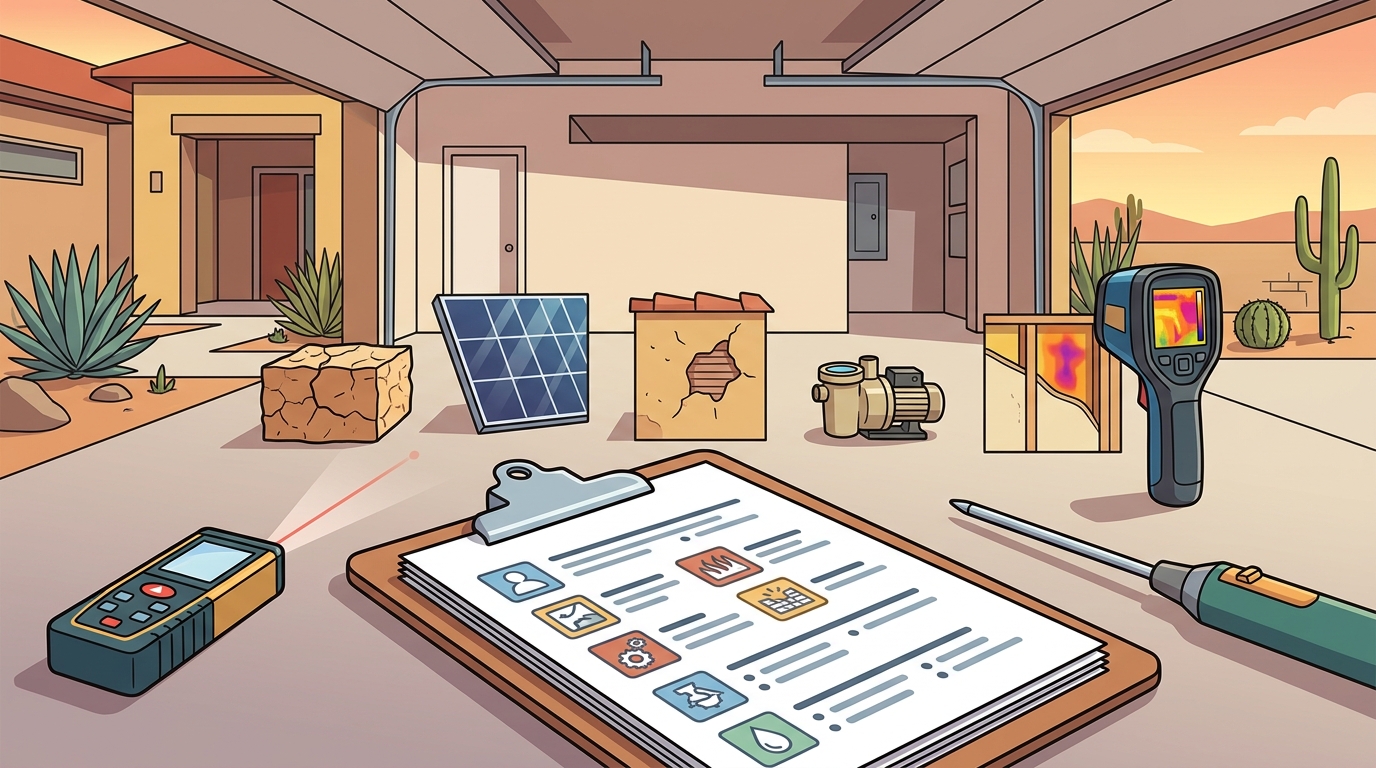
Electrical Systems and Safety
Older homes in Las Vegas may have outdated electrical systems. Aluminum wiring, common in the 1960s and 70s, poses a fire risk. It expands and contracts more than copper, leading to loose connections and overheating.
Aluminum wiring is a type of electrical conductor that requires special connectors and installation techniques to prevent fire hazards. If the home has aluminum wiring, ensure it has been properly retrofitted with COPALUM crimps or AlumiConn connectors.
Check the electrical panel. Federal Pacific Stab-Loc panels are known to be defective and should be replaced. Ensure the panel is labeled and has adequate amperage for modern needs. GFCI outlets are required in wet areas like kitchens and bathrooms.
See our Agent Success Story for tips on working with top agents.
Landscaping and Irrigation
Water is scarce in the desert. Efficient landscaping is crucial. Xeriscaping is popular, but it requires proper installation to thrive.
Xeriscaping is a landscaping method that reduces or eliminates the need for irrigation by using drought-tolerant plants. Inspect the drip lines for leaks or clogs. Ensure sprinkler heads are adjusted to spray only on plants, not on hardscapes or the foundation.
Check for termite damage. Termites thrive in warm climates. Look for mud tubes on foundation walls and wooden structures. Ensure wood-to-soil contact is minimized to prevent infestation.
Discover more about our Charitable Foundation and community involvement.
Key Takeaways
- Expansive clay soils in Las Vegas can cause significant foundation movement if drainage is poor.
- UV radiation degrades roofing materials faster, requiring more frequent inspections and potential replacement.
- HVAC systems are critical in Las Vegas; ensure they are high-efficiency and well-maintained.
- Hard water is common in the region, leading to scale buildup in plumbing and appliances.
- Aluminum wiring in older homes poses fire risks and requires professional assessment.
- Efficient irrigation and xeriscaping are essential for water conservation and landscape health.
- Termite inspections are vital due to the warm climate that supports their population.
Frequently Asked Questions
How long does a home inspection take in Las Vegas?
A standard home inspection typically takes 2 to 4 hours, depending on the size and age of the property. Larger luxury homes may take longer.
What is the most common issue found in Las Vegas home inspections?
Foundation cracks and HVAC system inefficiencies are among the most common issues due to the local climate and soil conditions.
Do I need a separate termite inspection?
While many general inspections include a visual pest check, a separate WDO (Wood Destroying Organism) inspection is often recommended for comprehensive coverage.
How does the desert climate affect roofing?
The intense sun and temperature swings cause shingles to crack and curl faster, reducing their lifespan compared to cooler climates.
What should I do if the inspection reveals major issues?
You can negotiate repairs, request a credit, or walk away from the deal. Our agents can guide you through these negotiations effectively.
Is water quality a concern in Las Vegas?
Yes, hard water is common. Installing a water softener can protect your plumbing and appliances from scale buildup.
Why is drainage important for my foundation?
Proper drainage prevents water from pooling around the foundation, which can cause soil expansion and structural damage.
Secure Your Las Vegas Home Today
Avoid unexpected repair costs by partnering with experts who understand the Las Vegas market. Our team at Berkshire Hathaway HomeServices Nevada Properties provides comprehensive guidance from listing to closing. Contact us to schedule your next home viewing or to get a professional inspection referral.
Visit our homepage to start your search for the perfect home in Las Vegas.