
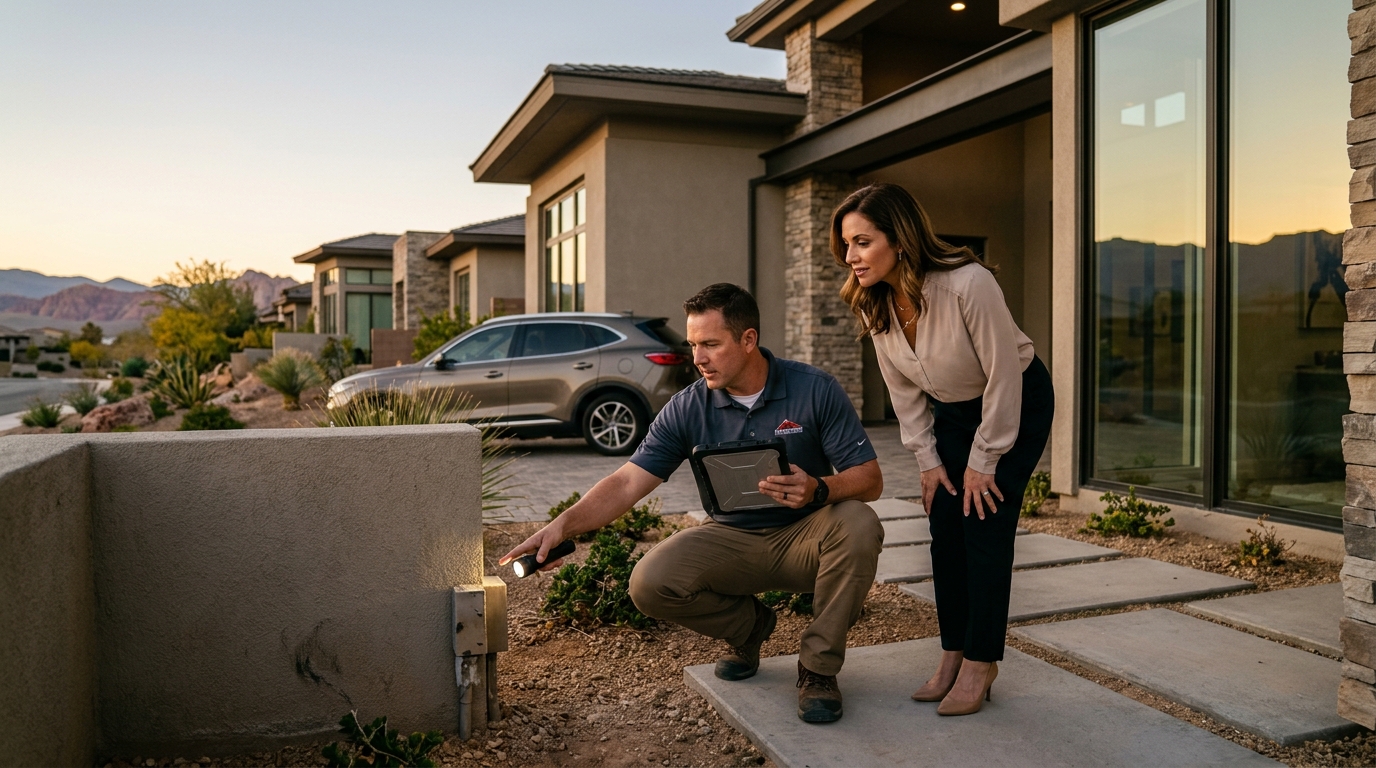
What Should I Look for During a Home Inspection to Avoid Unexpected Repair Costs in Las Vegas?
Las Vegas real estate offers unique value, but the desert environment introduces specific structural and mechanical risks that standard checklists often miss. According to the U.S. Environmental Protection Agency, homes in the Southwest face higher risks of foundation shifting due to expansive soils, which can lead to repair costs exceeding $10,000 if ignored. This guide details the critical inspection points for Southern Nevada properties to protect your investment.
Soil Stability and Foundation Integrity
The ground beneath Las Vegas homes is primarily composed of caliche and expansive clay. Expansive soil is soil that changes volume based on moisture content. When it rains, the soil swells. When the dry desert heat returns, the soil shrinks. This constant movement puts immense pressure on a home's foundation.
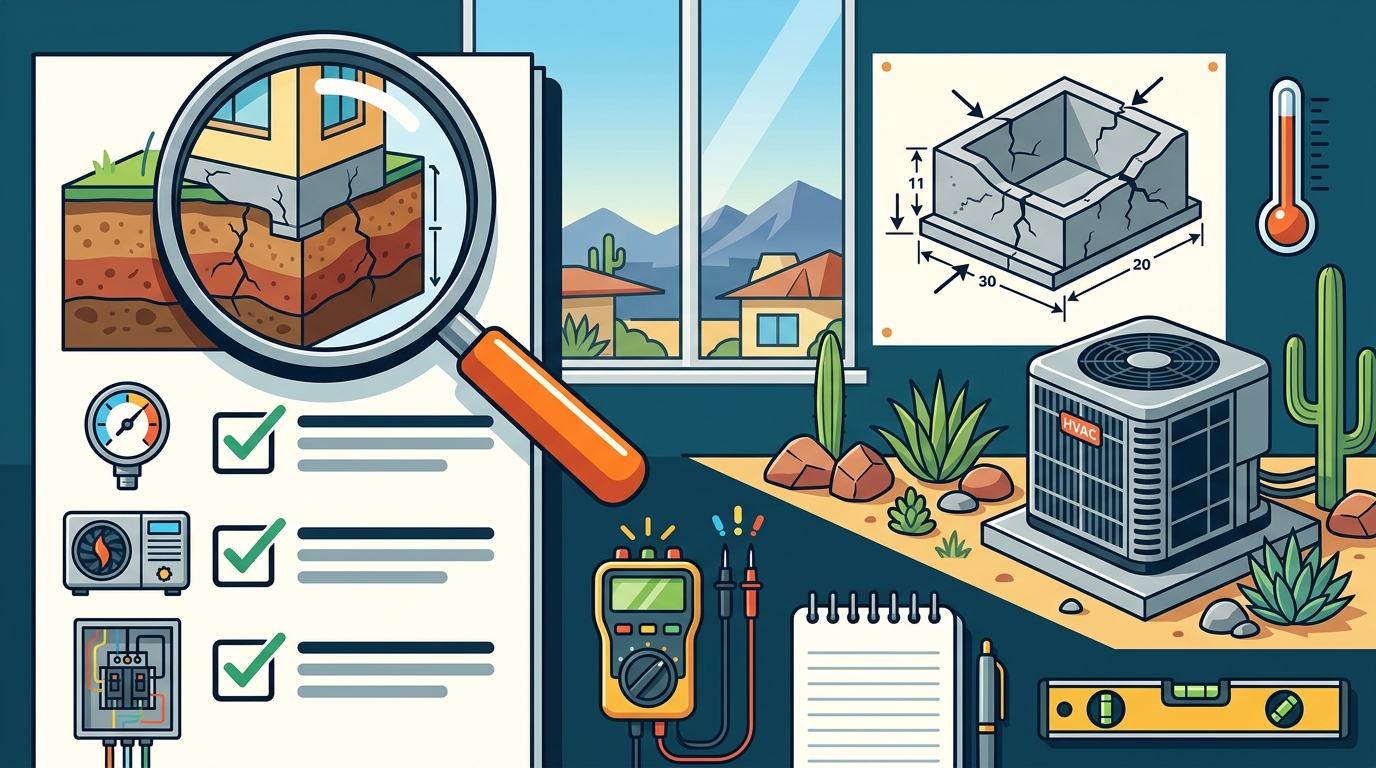
During your inspection, look for vertical cracks in the foundation walls. Horizontal cracks are even more concerning as they indicate significant lateral pressure. Check the alignment of doors and windows. If a door that used to close easily now sticks or requires force to latch, the frame has likely shifted due to foundation movement.
Inspect the perimeter of the home for proper grading. The ground should slope away from the foundation to direct water runoff. Poor grading allows water to pool near the base of the house, saturating the soil and accelerating expansion. This is a common issue in newer developments where landscaping is still settling.
For detailed analysis of soil types in Clark County, refer to the USGS National Geologic Map Database. Understanding the local geology helps you anticipate future structural needs.
Water Systems and Irrigation Leaks
Water is a precious resource in the Mojave Desert. Plumbing infrastructure is the network of pipes and fixtures that distribute water within a home. In Las Vegas, the water supply often contains high mineral content, which can lead to scale buildup in pipes and water heaters over time.
Inspect the main water pressure. High pressure can damage appliances and cause leaks in joints. Ask the inspector to test the pressure with a gauge. If it exceeds 80 psi, a pressure reducing valve is necessary to protect your plumbing system.
Check the irrigation system thoroughly. Many Las Vegas homes have extensive landscaping that requires constant watering. Look for broken sprinkler heads, misaligned nozzles, and leaking valves. A leaking irrigation line can waste thousands of gallons of water annually and saturate the soil around the foundation, leading to the expansion issues mentioned earlier.
Review the water heater age and condition. Sediment buildup reduces efficiency and shortens the lifespan of the unit. According to the Department of Energy energy efficiency guidelines, regular flushing of the tank can extend its life by several years.
HVAC Performance in Extreme Heat
Las Vegas summers regularly exceed 100 degrees Fahrenheit. HVAC systems are heating, ventilation, and air conditioning units that regulate indoor climate. These systems work harder in this climate than in most other parts of the country. A failing unit in July is not just an inconvenience; it is a health hazard.
Ask the inspector to measure the temperature drop across the evaporator coil. A proper system should drop the air temperature by 15 to 20 degrees Fahrenheit. If the drop is less than 15 degrees, the system may be undercharged or have a blockage.
Inspect the condenser unit outside. Look for signs of corrosion, bent fins, or debris buildup. The condenser needs airflow to dissipate heat. If it is blocked by vegetation or sitting in a confined space, it will overheat and fail prematurely.
Check the age of the air conditioner. Units older than 10 to 12 years are likely operating at significantly lower efficiency ratings. Replacing an old unit can reduce cooling costs by 20 to 40 percent. Data from the EPA guide to home energy audits supports the financial benefits of upgrading to high-efficiency models.
Electrical Safety and Panel Upgrades
Older homes in Las Vegas may have outdated electrical systems that cannot handle modern power demands. Electrical panels are the central distribution points for power throughout a home. If the panel is a Federal Pacific or Zinsco brand, it is known to be a fire hazard and should be replaced immediately.
Check the amperage of the service. Homes built before the 1980s often have 100-amp service. Modern homes with electric vehicles, hot tubs, and multiple air conditioning units typically require 200-amp service. Upgrading the service is a major expense, so identifying this need early is crucial.
Inspect the wiring type. Aluminum wiring, common in homes built between 1965 and 1973, is prone to oxidation and loose connections. This can lead to overheating and fires. If aluminum wiring is present, ensure that proper pig-tailing devices have been installed at all connection points.
Verify that the home has Ground Fault Circuit Interrupter (GFCI) outlets in wet areas. GFCIs are required by code in kitchens, bathrooms, and outdoor spaces. They protect against electrical shock by cutting power when a ground fault is detected. The NFPA research on electrical fires highlights the importance of proper grounding and GFCI protection in preventing residential electrical fires.
Roofing Materials and UV Damage
The intense sun in Las Vegas degrades roofing materials faster than in other regions. Roofing materials are the outer layer of a building that protects it from weather elements. Asphalt shingles, the most common type, can become brittle and crack under constant UV exposure.
Inspect the shingles for curling, cracking, or missing granules. Granules protect the asphalt from UV rays. If you see granules in the gutters, the shingles are nearing the end of their life. Check the flashing around chimneys, vents, and skylights. Flashing prevents water from entering at these vulnerable junctions.
Look for signs of previous repairs or patch jobs. Poorly executed repairs can lead to leaks that damage the interior structure. If the roof is older than 15 years, consider a full replacement. The cost of a new roof in Las Vegas can be significant, but it protects the entire home from water damage.
For information on roofing standards in high-UV climates, consult the National Roofing Contractors Association standards. They provide guidelines for material selection and installation in extreme weather conditions.
Inspection Priority Comparison
| System | Primary Risk in Las Vegas | Estimated Repair Cost | Inspection Focus |
|---|---|---|---|
| Foundation | Soil expansion and cracking | $5,000 - $50,000+ | Vertical/horizontal cracks, door alignment |
| HVAC | Overheating and efficiency loss | $3,000 - $10,000 | Temperature drop, condenser condition |
| Plumbing | Leaking irrigation and scale buildup | $1,000 - $5,000 | Water pressure, sprinkler heads, water heater |
| Electrical | Outdated panels and aluminum wiring | $2,000 - $8,000 | Panel brand, amperage, GFCI outlets |
| Roofing | UV degradation and granule loss | $8,000 - $15,000 | Shingle condition, flashing, granules in gutters |
Key Takeaways
- Expansive soil in Southern Nevada causes significant foundation movement, requiring careful inspection of cracks and grading.
- High water pressure and mineral content can damage plumbing systems and reduce water heater efficiency.
- HVAC systems must be tested for temperature drop and condenser condition due to extreme desert heat.
- Outdated electrical panels like Federal Pacific pose fire risks and may require full replacement.
- Roofing materials degrade faster under UV exposure, making granule loss a critical indicator of remaining life.
- Irrigation leaks can waste water and saturate the foundation, linking plumbing and structural health.
- Professional inspections by experts at Berkshire Hathaway HomeServices Nevada Properties provide essential local insights.
Frequently Asked Questions
How long does a home inspection take in Las Vegas?
A standard home inspection typically takes 2 to 4 hours, depending on the size and age of the property. Older homes may require more time due to potential hidden issues.
What is the most common issue found in Las Vegas home inspections?
Foundation cracks and HVAC inefficiency are among the most common issues. The expansive soil and extreme heat place unique stresses on these systems.
Should I hire a separate inspector for the foundation?
If the general inspector identifies signs of significant foundation movement, hiring a structural engineer for a specialized assessment is recommended. They can provide detailed repair plans.
How does the desert climate affect roofing materials?
The intense UV radiation breaks down asphalt shingles faster, causing them to become brittle and lose granules. This shortens the roof's lifespan compared to cooler climates.
What should I do if the inspection reveals major issues?
You can negotiate repairs, request a credit, or walk away from the deal. It is important to prioritize safety-critical issues like foundation and electrical problems.
Are there specific pests to look for in Las Vegas homes?
Termites and carpenter ants are common. Look for mud tubes on foundations and frass (insect droppings) near wooden structures. A pest inspection is highly recommended.
Why is water pressure testing important?
High water pressure can damage pipes, water heaters, and appliances. Testing ensures the pressure is within a safe range, typically between 40 and 80 psi.
Schedule Your Professional Inspection
Avoid unexpected repair costs by partnering with experts who understand the unique challenges of the Las Vegas real estate market. Berkshire Hathaway HomeServices Nevada Properties offers comprehensive resources and trusted professional networks to guide you through the home buying process. Visit bhhsnv.com to connect with a local agent and schedule your inspection today.