

Hidden Costs of Homeownership: A Buyer’s Guide to Avoiding Surprises
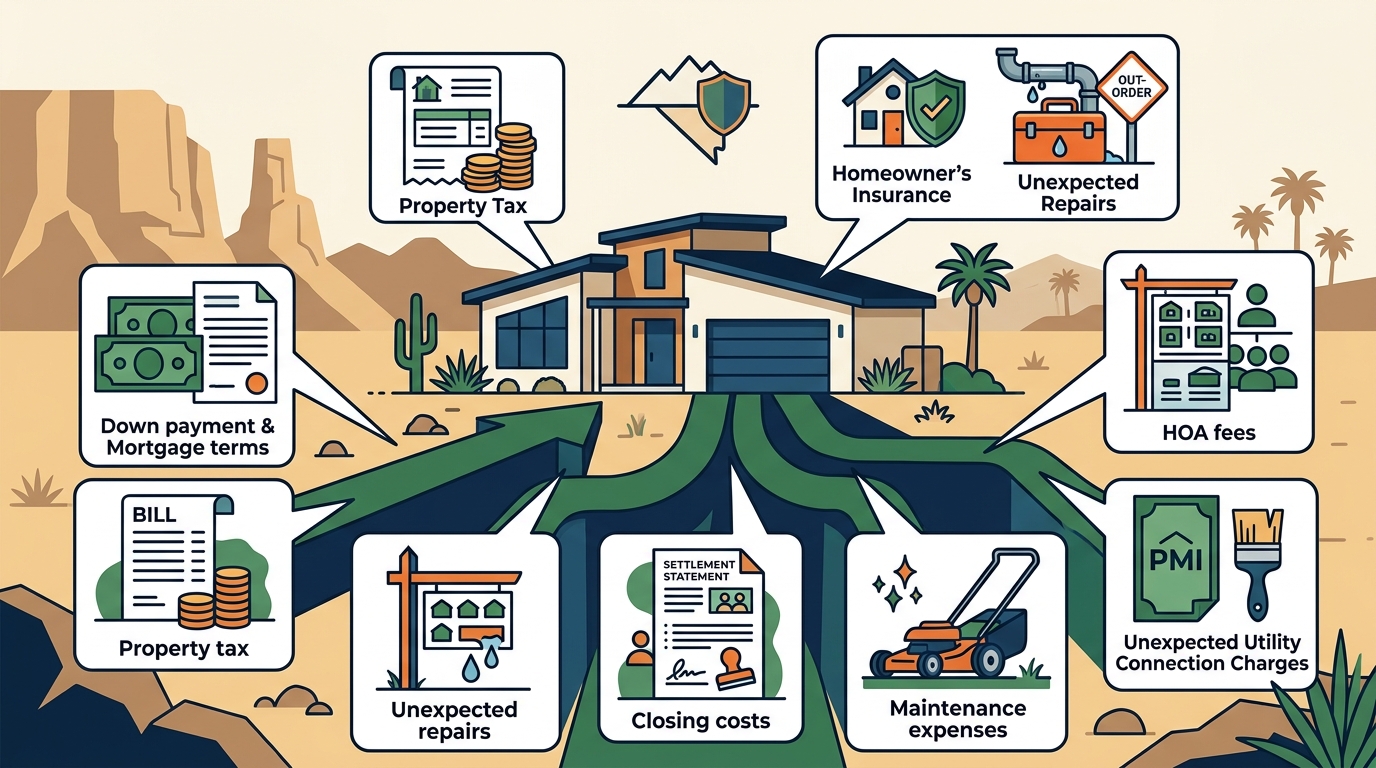
Buying a home is often the largest financial commitment of your life, yet most buyers focus exclusively on the purchase price. According to a 2024 National Association of Realtors report, first-time buyers frequently underestimate closing costs by 15 to 20 percent. This gap between expectation and reality can derail a transaction or strain household budgets long after the keys are handed over. Understanding the true cost of ownership is not just about the down payment. It is about recognizing the ongoing, often invisible expenses that accumulate over the life of the property. (Contact Us)
Understanding Closing Costs and Fees
When you sign the papers at the closing table, the total amount you pay extends far beyond the down payment. Closing costs typically range from 2 to 5 percent of the loan amount. These fees cover a variety of services required to finalize the transaction. They include lender origination fees, appraisal costs, title insurance, and attorney fees. Each of these components serves a specific purpose in protecting both the buyer and the lender.
One critical component is the title search. This process ensures that the seller has the legal right to transfer ownership. It also reveals any liens or encumbrances on the property. If you are buying a home in Northern Virginia, local regulations may require additional inspections or disclosures. These requirements can add to your upfront costs. It is essential to request a Loan Estimate from your lender early in the process. This document provides a detailed breakdown of your expected closing costs.
Another often overlooked fee is the prepaid interest. You will be charged interest on your mortgage from the day of closing until the first of the following month. This means you pay interest for a partial month before your first official mortgage payment is due. While this amount may seem small, it adds to the cash you need to bring to closing. Working with a knowledgeable agent can help you negotiate some of these fees. They may also advise you on lender credits that can offset certain costs.
Ongoing Maintenance and Repairs
Homeownership is a continuous cycle of maintenance. Unlike renting, where the landlord handles repairs, you are responsible for everything. Financial experts recommend budgeting 1 to 3 percent of the home’s value annually for maintenance. For a $500,000 home, this means setting aside $5,000 to $15,000 per year. This fund covers routine tasks like HVAC servicing, gutter cleaning, and roof inspections.
Major repairs can be even more costly. A new roof can cost between $10,000 and $20,000 depending on materials and labor. Replacing an aging water heater or furnace can run $3,000 to $6,000. These are not optional expenses. They are necessary to preserve the value and habitability of your home. Ignoring small issues can lead to larger, more expensive problems down the line. For example, a minor leak can cause mold growth or structural damage if left untreated.
Homeowners insurance often covers sudden and accidental damage. However, it rarely covers wear and tear. Regular maintenance is your best defense against catastrophic expenses. Creating a home maintenance schedule can help you stay on top of these tasks. This schedule should include seasonal checks for your roof, foundation, and plumbing systems. By staying proactive, you can avoid the shock of unexpected repair bills.
Insurance and Property Taxes
Property taxes are a significant part of your monthly housing payment. They are calculated based on the assessed value of your home. In many jurisdictions, taxes are reassessed annually. This means your tax bill can increase even if the market value of your home remains stable. It is important to understand how local tax rates impact your long-term affordability.
Homeowners insurance is another mandatory expense. Lenders require you to carry adequate coverage to protect their investment. The cost of insurance varies based on the location, age, and construction of your home. Homes in areas prone to natural disasters may face higher premiums. For instance, properties in flood zones require separate flood insurance policies. These policies are often not included in standard homeowners insurance plans.
Private Mortgage Insurance (PMI) is another potential cost. If you put down less than 20 percent, you may be required to pay PMI. This insurance protects the lender in case you default on the loan. PMI can add hundreds of dollars to your monthly payment. However, you can typically remove PMI once you reach 20 percent equity in your home. Understanding these costs helps you plan your budget more accurately.
Utility Cost Shifts
When you rent, utilities are often included in your lease. When you buy, you pay for them directly. This shift can significantly impact your monthly cash flow. Heating, cooling, electricity, water, and garbage collection are all your responsibility. Older homes may have inefficient windows or insulation. This can lead to higher energy bills compared to newer, energy-efficient properties.
It is wise to ask for utility bills from the previous owners. This data provides a realistic view of what you can expect to pay. You can also use online energy calculators to estimate costs based on the home’s size and age. Making energy-efficient upgrades can help reduce these expenses over time. Features like solar panels, smart thermostats, and upgraded insulation can lower your monthly bills.
Water and sewer costs are another factor. In some areas, these are billed separately by the municipality. In others, they are included in your mortgage escrow account. Understanding how these costs are calculated and billed is crucial for accurate budgeting. You should also consider the cost of landscaping and lawn care. If you do not maintain the yard yourself, hiring a service can add several hundred dollars to your monthly expenses.
Cost Comparison: Renting vs. Buying
Comparing the costs of renting versus buying requires a holistic view. Renting offers predictability and flexibility. Your monthly payment is fixed, and you are not responsible for major repairs. However, you do not build equity. Every dollar you pay goes toward the landlord’s investment.
Buying offers the potential for appreciation and equity buildup. Your mortgage payments contribute to owning the asset. Over time, this can provide significant financial benefits. However, the initial costs and ongoing expenses are higher. You must account for closing costs, maintenance, and taxes. The break-even point depends on how long you plan to stay in the home.
| Expense Category | Renting | Buying |
|---|---|---|
| Upfront Costs | Security Deposit + First Month | Down Payment + Closing Costs |
| Monthly Payment | Fixed Rent | Mortgage + Taxes + Insurance |
| Maintenance | Landlord Responsible | Homeowner Responsible |
| Equity Build | None | Yes, via Principal Payments |
| Flexibility | High (Lease Term) | Low (Selling Costs) |
Key Takeaways
- Closing costs typically range from 2 to 5 percent of the loan amount, adding significant upfront expenses.
- Annual maintenance should be budgeted at 1 to 3 percent of the home’s value to cover repairs and upkeep.
- Property taxes and insurance are mandatory recurring costs that can increase over time due to reassessments.
- Utility bills are the buyer’s responsibility and can vary widely based on home efficiency and local rates.
- Private Mortgage Insurance (PMI) is required for down payments under 20 percent and adds to monthly costs.
- Homeownership builds equity, while renting offers flexibility but no long-term asset growth.
- Understanding the total cost of ownership is essential for making a financially sound decision.
Frequently Asked Questions
What is the average closing cost for a home in Northern Virginia?
Closing costs in Northern Virginia typically range from 3 to 5 percent of the purchase price. This includes lender fees, title insurance, and local transfer taxes. The exact amount depends on the loan type and property value.
How much should I save for home maintenance?
Financial advisors recommend saving 1 to 3 percent of the home’s value annually for maintenance. This fund covers routine repairs and unexpected issues like roof or HVAC replacements.
Can I avoid paying PMI?
You can avoid PMI by making a down payment of at least 20 percent of the home’s purchase price. Alternatively, some lenders offer piggyback loans that allow you to bypass PMI with a lower down payment.
Do property taxes increase every year?
Property taxes are reassessed periodically by local governments. While they do not always increase annually, they can rise if the assessed value of your home goes up or if tax rates change.
Is it cheaper to rent or buy in the long run?
While renting may have lower monthly costs initially, buying often provides better long-term financial benefits through equity buildup and potential appreciation. The break-even point depends on how long you stay in the home.
What happens if I can’t afford unexpected repairs?
If you face unexpected repairs, you can use a home equity line of credit (HELOC) or personal loan. However, it is best to have a dedicated maintenance fund to avoid high-interest debt.
How do I estimate utility costs for a new home?
Ask the seller for recent utility bills. You can also use online energy calculators to estimate costs based on the home’s size, age, and local climate data.
Next Steps
Navigating the hidden costs of homeownership requires careful planning and expert guidance. At Berkshire Hathaway HomeServices PenFed Realty, we help buyers understand the true financial picture of their potential new home. Our team provides detailed market analysis and connects you with trusted lenders and inspectors. Contact us today to start your journey with confidence and clarity.