
Common Seller Mistakes in Las Vegas Home Pricing, Preparation, and Marketing Strategy
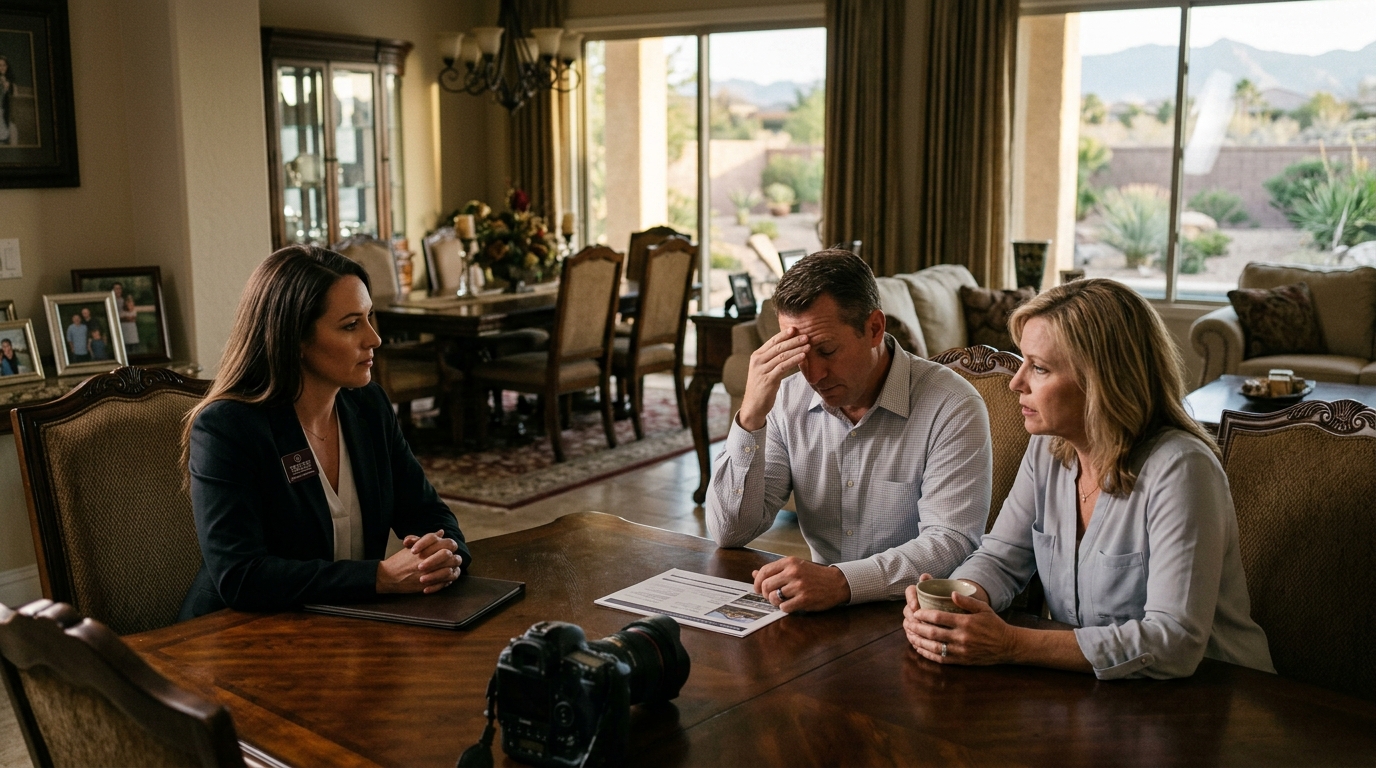
The Las Vegas real estate market operates with a velocity that often catches unprepared sellers off guard. According to recent market analyses, homes that sit on the market for more than 30 days in competitive neighborhoods like Summerlin or Henderson often require price reductions exceeding 5% to regain buyer interest. This statistic highlights a critical reality: timing and precision are not just advantages; they are necessities for maximizing net proceeds. Sellers frequently underestimate how quickly buyer sentiment shifts in response to interest rate fluctuations and inventory levels. Understanding these dynamics is the first step toward avoiding costly errors that can delay closing or reduce final sale price. (Contact Us)
Pricing Errors and Market Misalignment
The most devastating mistake sellers make is relying on emotional attachment rather than data-driven valuation. In a market as dynamic as Las Vegas, where neighborhoods can have vastly different appreciation rates, a generic "comparable sales" approach often fails. Overpricing is the primary killer of listings. When a home is priced above market value, it alienates the most motivated buyers who filter searches by price range. This results in zero showings during the critical first two weeks, which is when most offers are generated.
Another common error is ignoring the specific micro-market trends. For instance, the demand for single-story homes in active adult communities differs significantly from the demand for luxury estates in the foothills. Sellers must understand that their home is not an island. It competes directly with new construction and other resale properties in the immediate vicinity. According to industry data, homes priced correctly from day one sell faster and often for a higher percentage of the list price than those that undergo multiple reductions.
To avoid this, sellers should request a detailed Comparative Market Analysis (CMA) from a local expert who understands the nuances of Clark County. This analysis should go beyond recent sales and include active listings and expired listings to gauge current competition. Understanding the "days on market" for similar properties helps set a realistic expectation for how long the listing will remain active.
Preparation Mistakes That Deter Buyers
Preparation is not merely about cleaning; it is about staging the home to appeal to the broadest possible audience while highlighting its unique value. A frequent mistake is attempting to save money by skipping professional staging or minor repairs. In the Las Vegas market, where inventory can fluctuate, a well-prepared home stands out against competitors that feel neglected. Deferred maintenance is a major red flag for buyers and their inspectors.
Sellers often overlook the exterior, which is the first thing a buyer sees. In a desert climate, landscaping plays a crucial role in curb appeal. Overgrown bushes, dead plants, or a lack of irrigation maintenance can signal to buyers that the home has been neglected internally as well. Simple updates like painting front doors, updating light fixtures, and ensuring the pool area is clean and inviting can significantly impact buyer perception.
Interior preparation requires a similar level of attention. Cluttered spaces make rooms appear smaller and less functional. Sellers should remove personal items, such as family photos and collections, to help buyers visualize themselves in the space. Additionally, addressing minor repairs like leaky faucets, cracked tiles, or scuffed walls is essential. These small issues can become leverage points for buyers during negotiations, leading to requests for credits or price reductions.
Marketing Flaws in Digital-First Transactions
In today's real estate landscape, marketing is predominantly digital. A common mistake is relying on a single listing platform or using low-quality photos. High-resolution photography, virtual tours, and video walkthroughs are now standard expectations for serious buyers. According to recent studies, listings with professional photography receive significantly more views and engagement than those with amateur shots. This is particularly true in Las Vegas, where many buyers are relocating from out of state and cannot visit in person initially.
Sellers also often neglect the importance of online descriptions. A compelling listing description should highlight key features, neighborhood amenities, and unique selling points. Generic descriptions fail to capture the essence of the property. For example, mentioning proximity to top-rated schools, parks, or entertainment districts can attract specific buyer demographics. Additionally, leveraging social media platforms and targeted advertising can expand the reach of the listing beyond traditional real estate portals.
Another critical aspect is the coordination of showings. Sellers must be flexible and responsive to show requests. Difficulty in scheduling showings can lead to lost opportunities. Working with an agent who has a robust network of other agents and a proven marketing strategy ensures that the home is seen by the right buyers at the right time.
Negotiation Pitfalls and Inspection Surprises
Once an offer is received, the negotiation phase begins. A common mistake is reacting emotionally to lowball offers or counteroffers. Sellers must remain objective and focus on the overall terms of the deal, not just the price. Factors such as closing timeline, contingencies, and buyer financing strength are equally important. According to market data, deals with fewer contingencies often close more smoothly and with less risk of falling through.
Inspections are another area where sellers can make costly errors. Some sellers choose to ignore inspection reports or refuse to address minor issues. This can lead to renegotiations or even the collapse of the deal. It is often more cost-effective to address repairs upfront or offer a credit at closing than to risk losing the buyer. Understanding the local inspection norms and being prepared for common findings in Las Vegas homes, such as pool equipment age or foundation issues, can help sellers navigate this phase more effectively.
Finally, sellers should be wary of accepting offers with weak financing. A higher offer from a buyer with pre-approval and strong financials is often preferable to a lower offer from a buyer with uncertain financing. Working with a trusted lender to verify buyer qualifications can provide peace of mind and ensure a smoother closing process.
Key Takeaways for Las Vegas Sellers
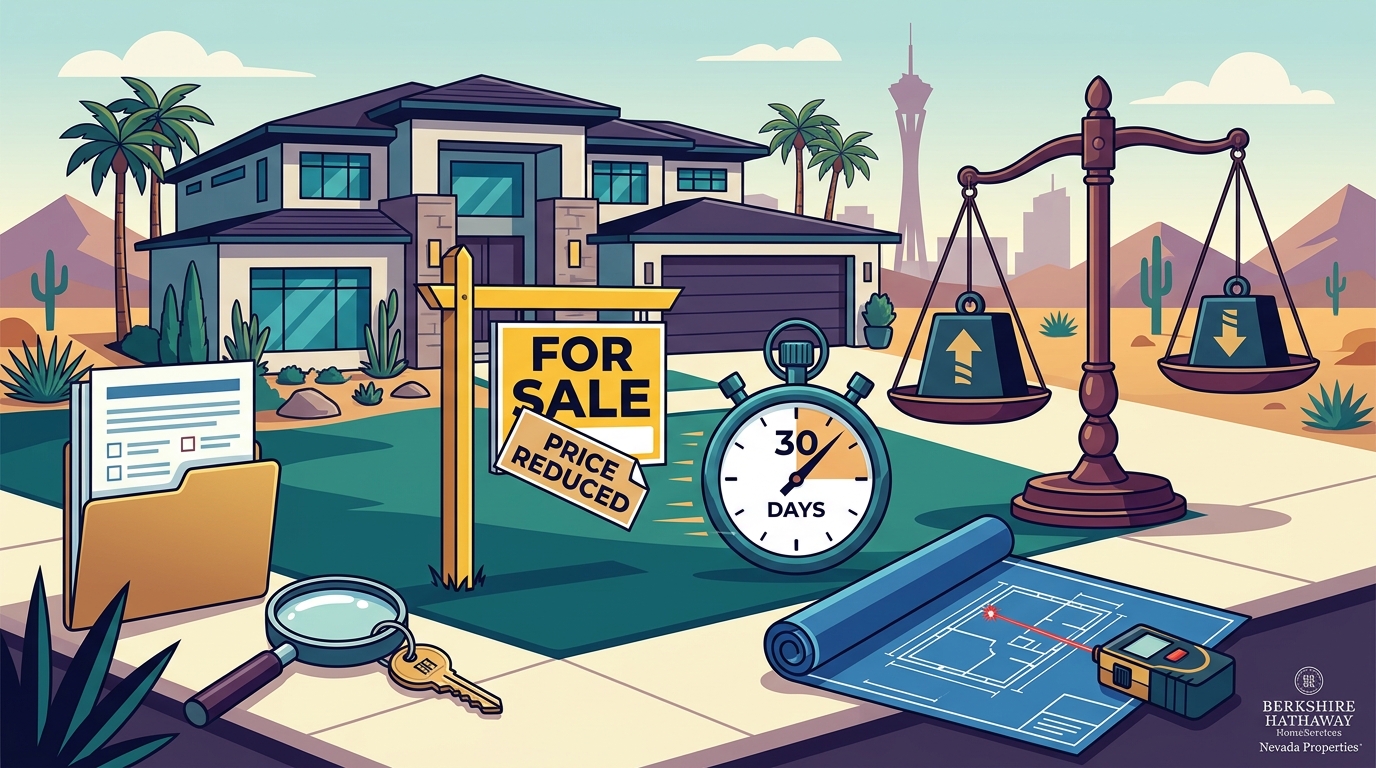
- Pricing Precision: Homes priced correctly from day one sell faster and for a higher percentage of the list price.
- Micro-Market Awareness: Understand the specific trends of your neighborhood, such as Summerlin vs. Henderson.
- Professional Staging: Invest in professional staging and photography to maximize online engagement.
- Exterior Appeal: Maintain landscaping and curb appeal to create a strong first impression.
- Digital Marketing: Utilize high-quality virtual tours and targeted social media advertising.
- Flexible Showings: Be responsive to show requests to avoid missing potential buyers.
- Objective Negotiation: Focus on total terms, not just price, and verify buyer financing strength.
Frequently Asked Questions
How long does it typically take to sell a home in Las Vegas?
The average time to sell a home in Las Vegas varies by market conditions, but typically ranges from 30 to 60 days for a well-priced and prepared property. Homes that are overpriced or in poor condition can take significantly longer.
What is the most important factor in pricing my home correctly?
The most important factor is a data-driven Comparative Market Analysis (CMA) that considers recent sales, active listings, and expired listings in your specific neighborhood. Emotional attachment should not influence the price.
Do I need to stage my home before selling?
While not legally required, professional staging is highly recommended. It helps buyers visualize themselves in the home and can lead to faster sales and higher offers. Even minimal staging can make a significant difference.
How can I improve the curb appeal of my Las Vegas home?
Focus on maintaining your landscaping, painting the front door, updating exterior lighting, and ensuring the pool area is clean and inviting. These elements create a strong first impression for potential buyers.
What should I do if the home inspection reveals issues?
Review the inspection report carefully and consider addressing minor repairs or offering a credit at closing. Ignoring significant issues can lead to renegotiations or the collapse of the deal.
Why is professional photography important for my listing?
Professional photography captures the home in its best light, highlighting its features and making it stand out in online listings. Listings with high-quality photos receive more views and engagement, leading to more showings and offers.
How do I verify a buyer's financing strength?
Work with your real estate agent to request a pre-approval letter from a reputable lender. This letter confirms that the buyer has been financially vetted and is likely to secure financing for the purchase.
Ready to Sell Your Las Vegas Home?
Avoiding these common mistakes requires expertise, experience, and a deep understanding of the local market. At Berkshire Hathaway HomeServices Nevada Properties, we provide the strategic guidance and marketing power you need to sell your home quickly and for the best possible price. Our team of local experts is dedicated to helping you navigate every step of the selling process with confidence.
Contact us today to schedule a consultation and learn how we can help you achieve your real estate goals.