
Common Home Inspection Mistakes That Cost Las Vegas Buyers Thousands
Las Vegas real estate moves at a breakneck pace, with inventory turnover rates often outpacing national averages during peak seasons. According to recent market data from the Las Vegas Realtors, the median days on market for single-family homes in the valley frequently dips below thirty days, creating immense pressure on buyers to act quickly. This urgency often leads to critical oversights during the due diligence phase. A single missed defect in a desert climate can result in repair bills exceeding ten thousand dollars within the first year of ownership. Understanding these pitfalls is essential for protecting your investment in a market defined by extreme heat and unique soil conditions. (Contact Us)
Skipping Specialized Inspections for Desert Conditions
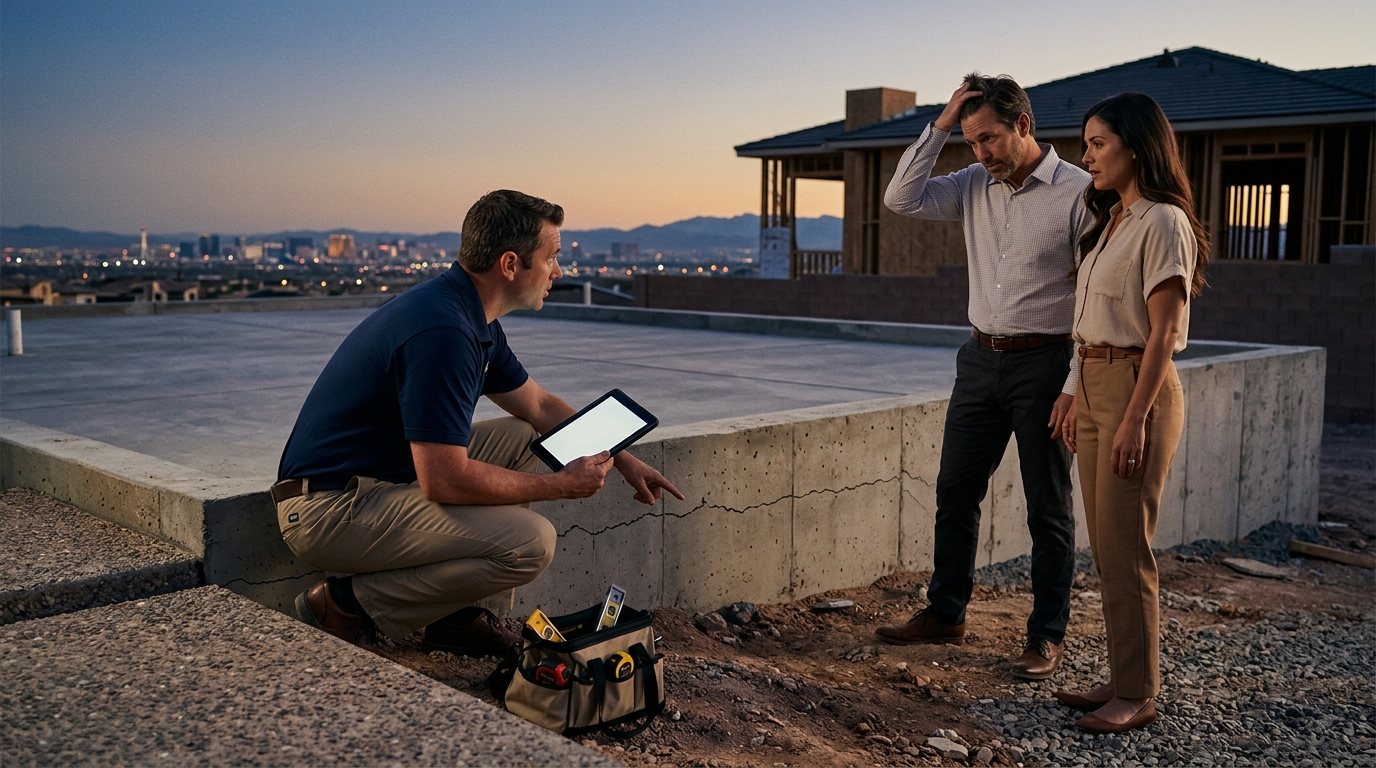
One of the most expensive errors buyers make is relying solely on a standard general home inspection. In Las Vegas, the environment dictates specific structural vulnerabilities that generalists often miss. The region is prone to expansive clay soils that shift with moisture changes, leading to foundation movement. A standard inspection might note surface cracks but fail to assess the depth or severity of structural compromise.
Homeowners insurance companies in Nevada often require a specific foundation inspection report before issuing policies for older homes. Without this specialized assessment, buyers risk inheriting structural debt that can total fifty thousand dollars or more. It is crucial to hire a structural engineer or a foundation specialist if the general inspector flags any concerns. This proactive step ensures that the home's skeleton is sound before you sign the deed.
Additionally, the intense sun exposure in Southern Nevada accelerates the degradation of roofing materials. Standard inspections may not adequately evaluate the remaining lifespan of shingles or tile underlayment. A roof that looks fine on the surface might have compromised flashing or underlayment that will fail during the next monsoon season. Addressing these issues before closing can save thousands in premature replacement costs.
Ignoring Pool and Spa System Integrity
Las Vegas is synonymous with outdoor living, and most homes feature pools or spas. However, many buyers treat the pool as a bonus rather than a critical mechanical system. The high mineral content in local water and the constant evaporation due to dry heat create a corrosive environment for pool equipment. Saltwater systems, in particular, can eat through pumps and heaters faster than freshwater systems.
A comprehensive pool inspection should include a detailed review of the pump motor, filter pressure, heater efficiency, and automatic chemical dispensers. According to industry standards, a failing pool heater can cost between three thousand and five thousand dollars to replace. If the inspection reveals cracked plaster or leaking skimmers, the repair costs can escalate rapidly. Buyers should never waive the right to a professional pool inspection, regardless of how attractive the water looks.
Furthermore, the surrounding deck and coping stones are subject to heaving from the same soil issues that affect the foundation. Uneven pavers or gaps between the deck and the pool shell indicate movement that requires immediate attention. Ignoring these signs can lead to safety hazards and costly structural repairs. Always request a separate pool and spa inspection from a certified specialist.
Overlooking HVAC Capacity and Efficiency
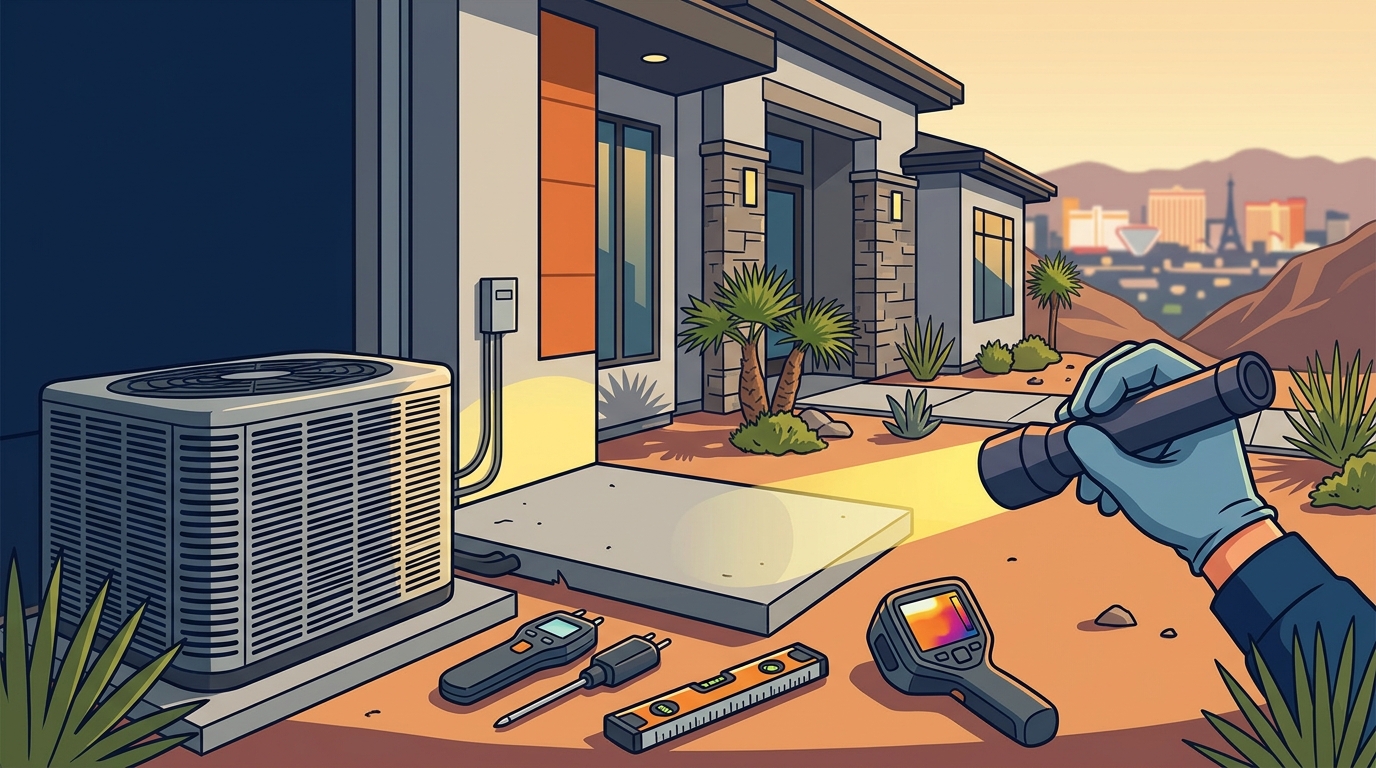
The air conditioning system is the heart of any Las Vegas home. Temperatures regularly exceed one hundred degrees Fahrenheit for months at a time. A standard home inspector will typically turn on the AC to ensure it blows cold air, but they rarely perform a detailed load calculation or duct leakage test. This superficial check can miss significant efficiency losses or capacity mismatches.
If the HVAC system is undersized for the home's square footage and insulation quality, your energy bills will be astronomical. Data from the U.S. Energy Information Administration shows that heating and cooling account for nearly forty-eight percent of average home energy use. In Las Vegas, this percentage is often higher due to the cooling demand. Upgrading to a properly sized, high-efficiency unit can cost between eight thousand and fifteen thousand dollars. Identifying this need during the inspection allows for negotiation or budget planning.
Ductwork in attics exposed to extreme heat can lose significant conditioned air before it reaches the living spaces. A duct leakage test can quantify these losses. If the ducts are poorly sealed or insulated, you are essentially paying to cool the attic. This is a hidden cost that many buyers overlook until they receive their first summer utility bill. Ensure your inspector or a specialized HVAC technician evaluates the entire distribution system.
Misinterpreting Termite and Pest Reports
Subterranean termites are a persistent threat in Southern Nevada. While most inspections include a visual pest inspection, buyers often misinterpret the results. A "clear" report does not guarantee the absence of future infestations. It only reflects the conditions visible at the time of the inspection. Drywood termites, which do not require soil contact, are also common in the region and can be harder to detect visually.
Buyers must understand the difference between active damage and previous treatment. A home may have been treated for termites years ago, but the treatment may have expired. According to the National Pest Management Association, termite damage is not covered by standard homeowners insurance. This means the full cost of repair falls entirely on the homeowner. If the report indicates active infestation or expired treatment, you must budget for a new treatment plan and potential repairs.
Another critical factor is the presence of carpenter ants and powderpost beetles. These pests can cause structural damage similar to termites but are often overlooked. A thorough pest inspection should include a moisture meter reading to identify areas prone to wood-destroying organisms. Dampness from leaky pipes or poor drainage creates an inviting environment for these pests. Addressing moisture issues is just as important as treating the pests themselves.
Waiving Contingencies in Competitive Markets
In a seller's market, buyers often feel pressured to waive inspection contingencies to make their offers more attractive. This is a dangerous strategy in Las Vegas. Waiving the inspection contingency means you are accepting the home in its current condition, with no recourse for repairs or credits. If major issues are discovered after closing, you cannot ask the seller to contribute to the costs.
Even in competitive scenarios, you can still perform inspections. You can waive the contingency only after you have reviewed the results and are satisfied with the home's condition. This approach protects you from catastrophic surprises while still allowing you to submit a strong offer. It is a balance of risk management and market strategy. Never waive your right to know what you are buying.
Additionally, consider waiving the financing contingency only if you are a cash buyer or have pre-approval letters that are rock solid. Financing contingencies protect you if your loan falls through. Inspection contingencies protect you from physical defects. Both are vital safety nets. Removing one without a solid alternative strategy can leave you vulnerable to financial loss.
Choosing the Wrong Inspector for the Job
Not all home inspectors are created equal, especially in a diverse market like Las Vegas. Some inspectors may not be licensed in Nevada, or they may lack specific certifications for pool, spa, or foundation inspections. It is crucial to verify their credentials and experience. Look for inspectors who are members of professional organizations such as the American Society of Home Inspectors (ASHI) or the National Association of Home Inspectors (NAHI).
Experience with local housing stock is also vital. An inspector who primarily works in humid climates may not recognize the signs of dry heat damage or soil expansion. Ask about their experience with homes built in the specific neighborhood you are considering. Older homes in downtown Las Vegas have different issues than new constructions in Summerlin or Henderson. Tailor your inspector selection to the property type.
Finally, review their sample reports. A good report should be detailed, include photos, and provide clear recommendations. If the report is vague or lacks visual evidence, it may not hold up in a negotiation or insurance claim. Take your time to choose an inspector who will provide a thorough and honest assessment. Your peace of mind is worth the effort.
Comparison of Inspection Types and Costs
| Inspection Type | Primary Focus | Estimated Cost | When to Hire |
|---|---|---|---|
| General Home Inspection | Overall structural and mechanical condition | $400 - $600 | Always, for every offer |
| Foundation Inspection | Structural integrity and soil movement | $500 - $1,500 | If cracks or uneven floors are noted |
| Pool and Spa Inspection | Equipment, plaster, and safety features | $300 - $500 | If the property has a pool or spa |
| Termite/Pest Inspection | Wood-destroying organisms and moisture | $100 - $200 | Always, often bundled with general |
| HVAC Duct Leakage Test | Airflow efficiency and insulation | $200 - $400 | If AC age is over ten years |
Key Takeaways
- Las Vegas homes face unique challenges from expansive soils and extreme heat that require specialized inspections beyond the standard checklist.
- Pool and spa systems are high-maintenance assets in the desert; a dedicated inspection can prevent thousands in immediate repair costs.
- HVAC efficiency is critical in Southern Nevada; undersized or leaky systems can lead to exorbitant summer energy bills.
- Waiving inspection contingencies is a high-risk strategy that should only be considered after thorough due diligence and professional advice.
- Termite and pest reports must be interpreted with caution, as treatments expire and new infestations can occur post-inspection.
- Foundation issues are common in older Las Vegas neighborhoods and often require a structural engineer's assessment for accurate valuation.
- Choosing an inspector with local experience and proper licensing is essential for identifying region-specific defects.
Frequently Asked Questions
How much does a home inspection cost in Las Vegas?
A standard general home inspection in Las Vegas typically costs between four hundred and six hundred dollars. Additional specialized inspections, such as for pools or foundations, will add to this total. The cost varies based on the size of the home and the specific services required.
Can I waive the home inspection contingency in a competitive market?
While you can waive the contingency, it is highly discouraged. Waiving it means you accept the home as-is, with no ability to negotiate repairs or credits. It is safer to perform the inspection and then decide whether to waive the contingency based on the results.
Why are foundation inspections important in Las Vegas?
Las Vegas is built on expansive clay soil that shifts with moisture changes. This can cause significant foundation movement and structural damage. A specialized foundation inspection can identify these issues early, preventing costly repairs down the line.
What should I look for in a pool inspection?
Look for a detailed review of the pump, filter, heater, and automatic chemical systems. Also, check the plaster condition, coping stones, and deck stability. These components are subject to wear from the harsh desert environment.
How often should I have my HVAC system inspected?
Your HVAC system should be inspected annually, preferably before the summer season. Regular maintenance ensures efficiency and longevity. A duct leakage test can also identify hidden energy losses that increase utility bills.
Are termite inspections included in a standard home inspection?
Most standard home inspections include a visual pest inspection. However, a dedicated termite inspection may be recommended for older homes or those in high-risk areas. Always clarify what is included in your inspection package.
What is the average cost of roof replacement in Las Vegas?
The average cost of roof replacement in Las Vegas ranges from eight thousand to fifteen thousand dollars, depending on the materials and complexity. Tile roofs are common and durable but can be expensive to repair. Shingle roofs are less common due to the heat but may be used in specific areas.
Protect Your Investment with Expert Guidance
Navigating the Las Vegas real estate market requires more than just a good eye for property. It demands a strategic approach to due diligence that accounts for the unique environmental challenges of the region. By avoiding these common inspection mistakes, you can protect your financial interests and ensure a smooth transition into your new home. Do not leave your investment to chance. Partner with a team that understands the local landscape and prioritizes your long-term satisfaction.
For personalized advice on home inspections and real estate transactions in Southern Nevada, contact our team at BHHS Nevada Properties today. We are dedicated to guiding you through every step of the buying process with transparency and expertise. Explore our buyer services to learn how we can help you find your perfect home. Visit our resource center for more insights on the local market. Connect with us on social media to stay updated on the latest listings and trends.