
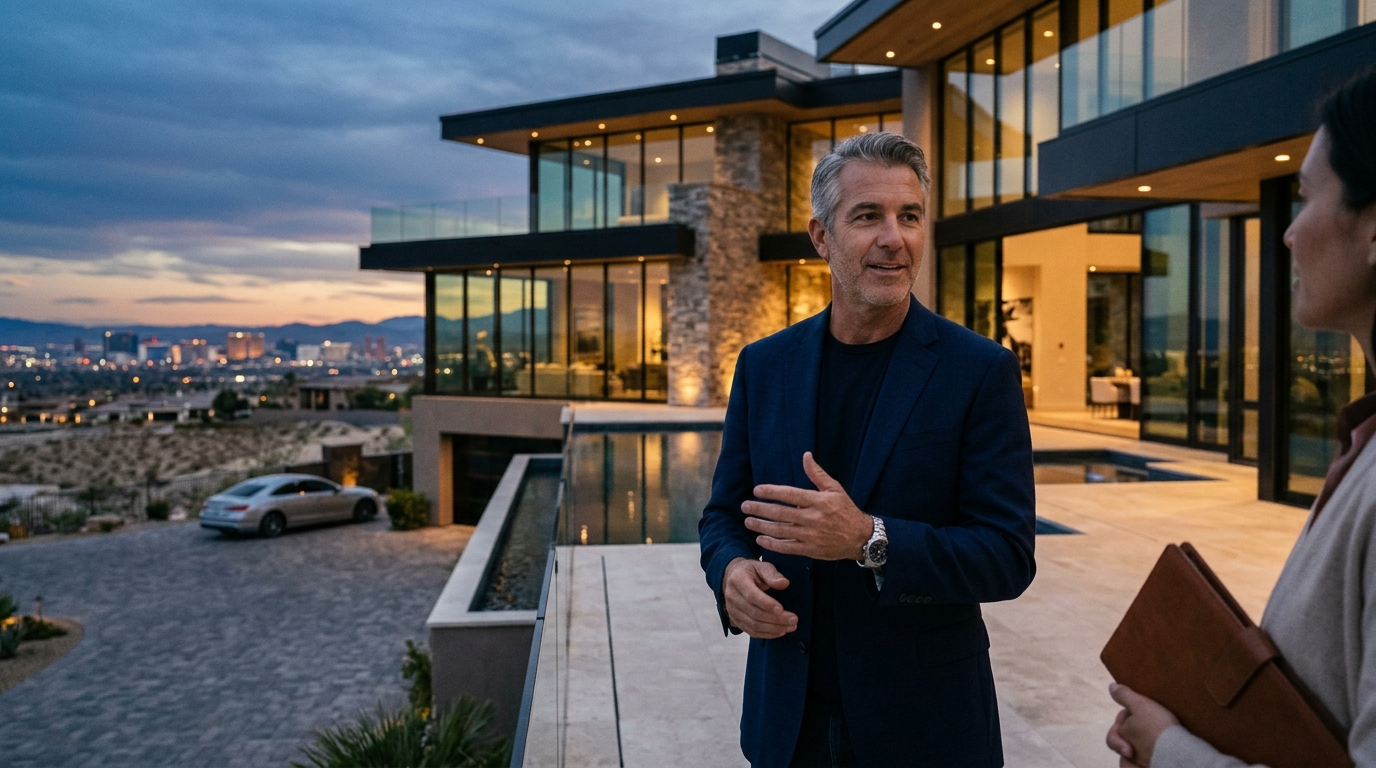
The Nevada luxury real estate market operates with distinct valuation mechanics that diverge significantly from national averages. According to recent market analyses, high-end properties in the Las Vegas and Reno metropolitan areas often experience valuation variances of up to 15% based on specific comparable-sale adjustments. Understanding these nuances is critical for accurate pricing strategies in a region defined by rapid appreciation and unique geographic constraints. (Contact Us)
Understanding the Cost Approach in Nevada
The cost approach serves as a foundational pillar in luxury home valuation, particularly for properties with unique architectural features or those situated in exclusive gated communities. This method estimates the value of a property by calculating the current cost to replace the existing structure, minus depreciation, plus the land value.
In Nevada, the cost approach is especially relevant for custom-built estates in areas like Summerlin or Spanish Springs. The cost approach is a valuation method that estimates property value by calculating the cost to replace the structure minus depreciation plus land value. This definition highlights the importance of accurate construction cost data, which can fluctuate based on material availability and labor costs in the region.
When evaluating luxury homes, appraisers must account for high-end finishes such as imported stone, custom millwork, and smart home integration systems. These elements often do not depreciate at standard rates, requiring specialized adjustment factors. For instance, a custom infinity pool in a high-desert climate may retain value differently than a standard in-ground pool in a temperate zone. The National Association of Realtors provides extensive data on how regional construction costs impact overall property valuations.
Furthermore, land value in Nevada is heavily influenced by water rights and lot size. Properties with established water rights or those located on acreage larger than one acre often command a premium that is difficult to replicate through cost calculations alone. This is why the cost approach is typically used as a secondary check rather than the primary valuation tool for luxury homes.
Comparable Sale Analysis & Adjustments
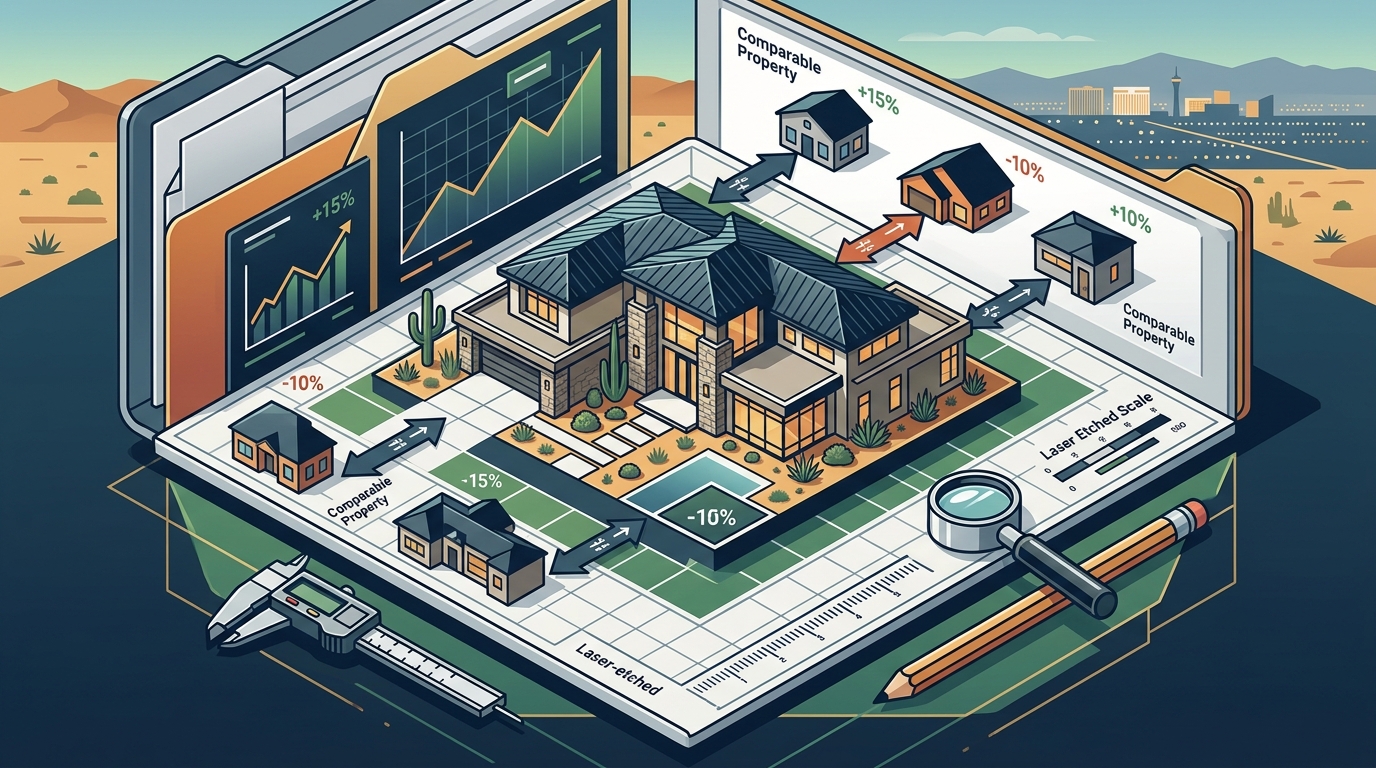
Comparable sale analysis, or the sales comparison approach, remains the most widely used method for valuing luxury real estate. This process involves identifying recent sales of similar properties and making adjustments for differences in features, location, and condition.
The comparable sale analysis is a valuation technique that determines property value by comparing it to recent sales of similar properties with adjustments for differences. In the context of Nevada luxury homes, finding true comparables can be challenging due to the low volume of high-end transactions. Appraisers often look at sales within a three-to-six-month window to ensure relevance.
Adjustments are made for various factors, including square footage, lot size, age, and amenities. For example, if a comparable property has a larger lot size, a negative adjustment is made to its sale price to reflect the smaller lot of the subject property. Conversely, if the subject property has a more recent renovation, a positive adjustment is applied. The Appraisal Institute outlines specific guidelines for these adjustments to ensure consistency and accuracy.
One critical adjustment in Nevada is for the view. Properties with mountain views, lake views, or city skyline views often sell at a significant premium. The value of a view can vary widely depending on the specificity and quality of the vista. A direct view of the Las Vegas Strip, for instance, may command a higher premium than a distant view of the mountains.
Location Premiums: Las Vegas vs. Reno
Nevada's luxury market is not monolithic. The valuation factors for a luxury home in Las Vegas differ markedly from those in Reno or rural areas like Lake Tahoe. Each region has its own set of drivers that influence property values.
In Las Vegas, the luxury market is concentrated in master-planned communities such as Summerlin, Green Valley, and Henderson. These areas offer amenities like golf courses, country clubs, and security, which add significant value. The U.S. Census Bureau data indicates that population growth in these areas has outpaced the national average, driving up demand for high-end housing.
Reno, on the other hand, benefits from its proximity to Lake Tahoe and its status as a tech hub. Luxury homes in Reno often feature modern architectural styles and high-tech integrations. The demand for second homes in this area has increased, influencing valuation metrics. Properties in Reno that offer easy access to outdoor recreation often see higher appreciation rates.
Another key differentiator is the tax environment. Nevada has no state income tax, which attracts high-net-worth individuals from California and other high-tax states. This demographic shift has created a sustained demand for luxury properties, stabilizing prices even during broader market downturns. The Tax Foundation consistently ranks Nevada as one of the most business-friendly states, further supporting real estate investment.
Luxury-Specific Valuation Factors
Beyond standard comparables, luxury homes in Nevada are influenced by specific high-end features that require specialized valuation knowledge. These factors often account for a significant portion of the total property value.
One such factor is the quality of the construction. Homes built by renowned custom builders often carry a premium due to their reputation for quality and craftsmanship. Buyers are willing to pay more for homes that have been meticulously constructed with attention to detail. The luxury home valuation is a specialized process that accounts for high-end features, construction quality, and exclusive amenities.
Another critical factor is the privacy and security of the property. Gated communities and estates with advanced security systems are highly valued in the luxury market. Buyers in this segment prioritize safety and exclusivity, which can justify higher prices. Additionally, the presence of entertainment spaces, such as home theaters, wine cellars, and outdoor kitchens, adds value.
Energy efficiency is also becoming a more important valuation factor. With Nevada's hot climate, homes with solar panels, advanced insulation, and smart climate control systems are increasingly desirable. These features not only reduce utility costs but also appeal to environmentally conscious buyers. The Energy Star program provides guidelines for evaluating the efficiency of residential buildings.
2026 Market Trends & Data Insights
As we move through 2026, the Nevada luxury market continues to evolve. Several trends are shaping the way homes are valued and priced in the region.
First, there is a growing emphasis on sustainability and resilience. Buyers are increasingly looking for homes that are built to withstand extreme weather events, such as heatwaves and flash floods. This has led to a premium for homes with reinforced structures and advanced water management systems. The Intergovernmental Panel on Climate Change reports highlight the importance of climate resilience in real estate valuation.
Second, the demand for home offices and flexible living spaces remains strong. The shift towards remote work has changed the way people use their homes, with many seeking dedicated workspaces and outdoor areas for relaxation. This trend is particularly evident in the luxury market, where buyers expect high-quality finishes and functional layouts.
Third, inventory levels in the luxury segment remain tight. With limited supply and high demand, prices have remained resilient. However, buyers are becoming more discerning, focusing on properties that offer true value and unique features. This has led to a more competitive market for well-priced homes.
Key Takeaways
- The cost approach is vital for custom homes in Nevada, focusing on replacement cost minus depreciation.
- Comparable sale adjustments must account for unique features like views, lot size, and construction quality.
- Las Vegas and Reno luxury markets have distinct drivers, with Las Vegas focusing on master-planned communities and Reno on tech and recreation.
- Nevada's no-income-tax policy continues to attract high-net-worth buyers, supporting luxury home values.
- Sustainability and climate resilience are becoming key valuation factors in 2026.
- Privacy and security are premium features in gated communities and estates.
- Inventory constraints in the luxury segment keep prices resilient despite broader market fluctuations.
Frequently Asked Questions
How are comparable sales selected for luxury homes in Nevada?
Appraisers select comparable sales based on proximity, similarity in size, age, and features. In Nevada, they often look at sales within exclusive communities to ensure relevance.
What is the impact of water rights on luxury home valuation?
Water rights can significantly increase the value of luxury properties, especially those on larger lots or in rural areas. They provide a tangible asset that is scarce in the desert environment.
Why is the cost approach less common for luxury homes?
The cost approach is less common because it is difficult to accurately estimate the value of unique luxury features and land premiums. It is often used as a secondary validation tool.
How do views affect property values in Las Vegas?
Views, such as those of the Strip or mountains, can add substantial value to a property. The premium varies based on the clarity, direction, and exclusivity of the view.
What role does technology play in luxury home valuation?
Advanced home automation, security systems, and energy-efficient technologies are increasingly valued. They appeal to buyers seeking convenience, safety, and sustainability.
How has remote work influenced luxury home demand in Nevada?
Remote work has increased demand for homes with dedicated office spaces and flexible layouts. This has led to a preference for properties with more square footage and outdoor amenities.
What are the current trends in Nevada luxury real estate for 2026?
Current trends include a focus on sustainability, climate resilience, and high-tech integration. Buyers are also prioritizing privacy and security in their purchasing decisions.
Connect with NV Luxury Experts
Navigating the complexities of luxury home valuation in Nevada requires expert knowledge and local insight. Whether you are buying or selling a high-end property, partnering with experienced professionals can ensure you achieve the best possible outcome. Berkshire Hathaway HomeServices Nevada Properties specializes in luxury real estate, offering comprehensive valuation services and market analysis. Contact us today to schedule a consultation and discover how we can help you navigate the Nevada luxury market with confidence.