

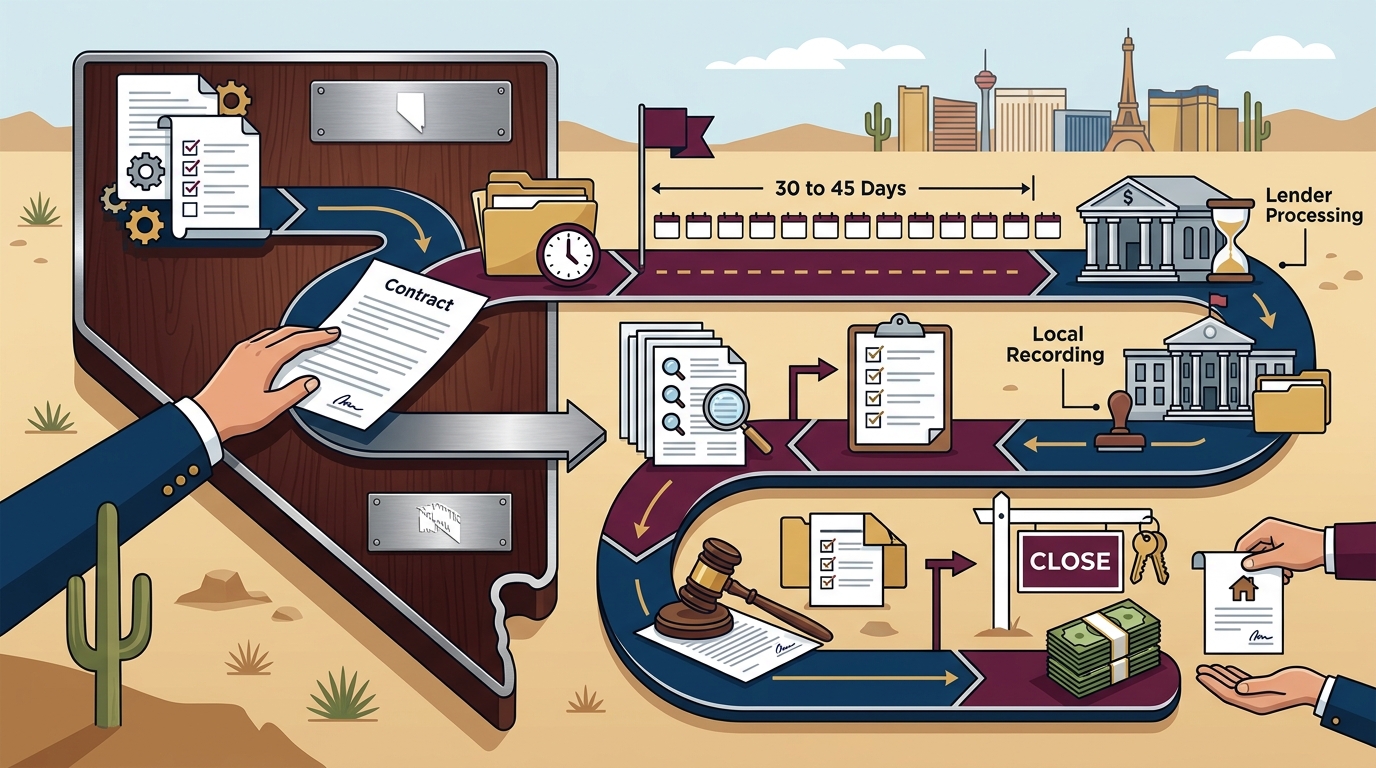
Real estate transactions in the Silver State are governed by strict statutory timelines and disclosure requirements that can catch unprepared sellers off guard. According to recent market analyses, Nevada home sellers typically spend between 30 to 45 days under contract before closing, a duration heavily influenced by local county recording speeds and lender processing times. Understanding the precise legal framework is not just helpful; it is mandatory for a successful sale. This guide outlines the exact workflow required to navigate the Nevada real estate market efficiently, ensuring you maximize your equity while remaining fully compliant with state laws. (Contact Us)
Step 1: Determine Your Home's Market Value
Before you list your property, you must establish a realistic price point. In Nevada, pricing is highly localized. A home in Summerlin may command a different price per square foot than a similar property in Henderson or Las Vegas. Overpricing is the most common mistake sellers make, leading to stagnation and eventual price reductions that signal distress to buyers.
The Role of Comparative Market Analysis
A Comparative Market Analysis (CMA) is the industry standard for pricing. Comparative Market Analysis is a professional evaluation of similar recently sold properties in your immediate vicinity to determine a competitive listing price. This process relies on recent data from the Regional Multiple Listing Service (RMLS), which tracks all active and sold listings in Clark and Washoe counties.
When analyzing comps, consider the following factors:
- Proximity: Homes within a one-mile radius are most relevant.
- Size: Square footage and lot size must be closely matched.
- Condition: Updated kitchens and bathrooms add significant value.
- Days on Market: How long similar homes stayed listed before going under contract.
For a deeper understanding of how local market dynamics shift, review the latest National Association of Realtors housing data to contextualize national trends against your local Nevada micro-market.
Step 2: Prepare and Stage Your Property
Nevada's unique climate and architectural styles require specific preparation strategies. Homes with desert landscaping or mid-century modern designs appeal to different buyer segments than traditional suburban estates. Preparation involves both cosmetic repairs and structural disclosures.
Essential Pre-Listing Repairs
Focus on high-impact, low-cost improvements. In the arid Nevada climate, HVAC systems are critical. Buyers will scrutinize the age and condition of your air conditioning units. Ensure your system has been serviced recently and provide documentation of maintenance. Additionally, check for any signs of foundation settling, which can occur in areas with expansive clay soils.
Staging for the Nevada Buyer
Staging helps buyers visualize themselves living in the space. In Nevada, this often means highlighting indoor-outdoor living spaces. Patios, pools, and mountain views are major selling points. If your pool is in disrepair, consider a pool credit in the offer rather than attempting costly repairs that may not yield a full return on investment.
According to the National Association of Realtors staging report, professionally staged homes can sell faster and for a higher percentage of the list price compared to unstaged homes.
Step 3: List and Market Your Home
Once your home is ready, the listing phase begins. This involves selecting the right real estate professional and choosing the appropriate marketing channels. In Nevada, most sales are facilitated through the RMLS, which distributes your listing to major public portals like Zillow, Realtor.com, and Redfin.
Choosing the Right Agent
Not all agents have equal expertise in your specific neighborhood. Look for an agent who has recently sold homes in your subdivision. They will understand the nuances of your community, from HOA regulations to local school district boundaries. A local expert can also advise on whether to sell "as-is" or to make repairs before listing.
Marketing Your Property
Effective marketing goes beyond the MLS. High-quality photography, virtual tours, and drone footage are now standard expectations. In Nevada, drone footage is particularly effective for showcasing large lots, mountain views, and proximity to amenities like Lake Mead or the Red Rock Canyon.
For insights on digital marketing trends in real estate, refer to the Inman digital marketing trends article which highlights the growing importance of video content in property sales.
Step 4: Negotiate Offers and Contracts
Once offers come in, the negotiation phase begins. Nevada is a disclosure-heavy state, and contracts are typically standardized forms provided by the Nevada Association of Realtors. Understanding these forms is crucial.
Understanding the Purchase Agreement
The purchase agreement outlines the price, closing date, and contingencies. Key contingencies include:
- Inspection Contingency: Allows the buyer to back out if significant defects are found.
- Appraisal Contingency: Protects the buyer if the home appraises for less than the offer price.
- Financing Contingency: Ensures the buyer can secure a mortgage.
When reviewing offers, look beyond the price. Consider the buyer's financial strength, the proposed closing timeline, and any special requests. A slightly lower offer with a strong, pre-approved buyer may be more valuable than a higher offer with financing uncertainties.
For a comprehensive overview of contract law principles, consult the Cornell Law School contract law overview to understand the legal binding nature of these agreements.
Step 5: Disclosures and Inspections
Nevada law requires sellers to provide a detailed Property Disclosure Statement. This document must accurately describe the condition of the property, including any known defects. Failure to disclose known issues can lead to legal liability even after the sale is complete.
Required Disclosures
You must disclose:
- Structural issues, such as foundation cracks or roof leaks.
- Environmental hazards, such as lead-based paint in homes built before 1978.
- Unpermitted additions or renovations.
- Water rights and irrigation systems, which are critical in rural Nevada areas.
Property Disclosure Statement is a legal document required by Nevada law that details the seller's knowledge of the home's condition and any known defects. This document is signed by the seller and provided to the buyer before the contract becomes firm.
The Inspection Period
After the contract is signed, the buyer will conduct inspections. This typically includes a general home inspection, termite inspection, and potentially specialized inspections for pools, roofs, or sewer lines. If the inspection reveals issues, the buyer may request repairs, a credit, or a price reduction. Negotiating these requests is a critical part of the process.
According to the National Association of Realtors inspection trends report, buyers are increasingly requesting detailed inspection reports to understand the long-term maintenance costs of a property.
Step 6: The Closing Process
The final step is closing. In Nevada, closings are typically handled by title companies or escrow agents. The process involves finalizing the mortgage, reviewing closing documents, and transferring funds.
Final Walkthrough
Before closing, the buyer will conduct a final walkthrough to ensure the property is in the agreed-upon condition and that any requested repairs have been completed. This is your last chance to address any issues before the sale is finalized.
Closing Day
On closing day, you will sign the deed and other transfer documents. The buyer will sign their mortgage documents. Once the deed is recorded with the county recorder's office, the sale is complete, and you will receive your proceeds minus any commissions, fees, and outstanding liens.
For detailed information on closing costs and procedures, refer to the Consumer Financial Protection Bureau closing costs guide.
Key Takeaways
- Pricing Accuracy: Overpricing leads to stagnation; use a CMA to set a competitive price.
- Disclosures are Mandatory: Nevada law requires a detailed Property Disclosure Statement to avoid legal liability.
- Local Expertise Matters: Agents familiar with your specific Nevada neighborhood can navigate local nuances effectively.
- Inspection Negotiations: Be prepared to negotiate repairs or credits based on inspection results.
- Timeline Awareness: Expect a 30-45 day closing period, influenced by lender and county recording speeds.
- Marketing Strategy: High-quality visuals and drone footage are essential for showcasing Nevada properties.
- Legal Compliance: Ensure all renovations have proper permits to avoid closing delays.
Frequently Asked Questions
How long does it take to sell a home in Nevada?
The average time to sell a home in Nevada is between 30 to 45 days under contract, though this can vary based on market conditions and location.
What disclosures are required when selling a home in Nevada?
Sellers must provide a Property Disclosure Statement detailing known defects, including structural issues, environmental hazards, and unpermitted work.
Do I need a real estate agent to sell my home in Nevada?
While not legally required, working with an agent is highly recommended to navigate contracts, disclosures, and negotiations effectively.
What are the closing costs for sellers in Nevada?
Sellers typically pay 1% to 3% of the home's sale price in closing costs, including real estate commissions and title fees.
Can I sell my home "as-is" in Nevada?
Yes, you can sell "as-is," but you must still provide all required disclosures, and buyers may negotiate a lower price based on the condition.
How do I handle HOA documents when selling?
You must provide the buyer with HOA covenants, conditions, and restrictions (CC&Rs) and financial statements if your property is part of an HOA.
What happens if the home appraises for less than the offer price?
The buyer may need to bring additional cash to cover the difference, or the parties may renegotiate the price to match the appraised value.
Contact Our Nevada Real Estate Experts
Navigating the complexities of selling your home in Nevada requires local expertise and strategic planning. Whether you are selling in Las Vegas, Henderson, Reno, or anywhere else in the state, the team at Berkshire Hathaway HomeServices Nevada Properties is here to guide you through every step of the process. From accurate pricing to successful closing, we ensure your transaction is smooth and profitable.
Ready to start your selling journey? Contact our team today to schedule a consultation and discuss your home's potential.