

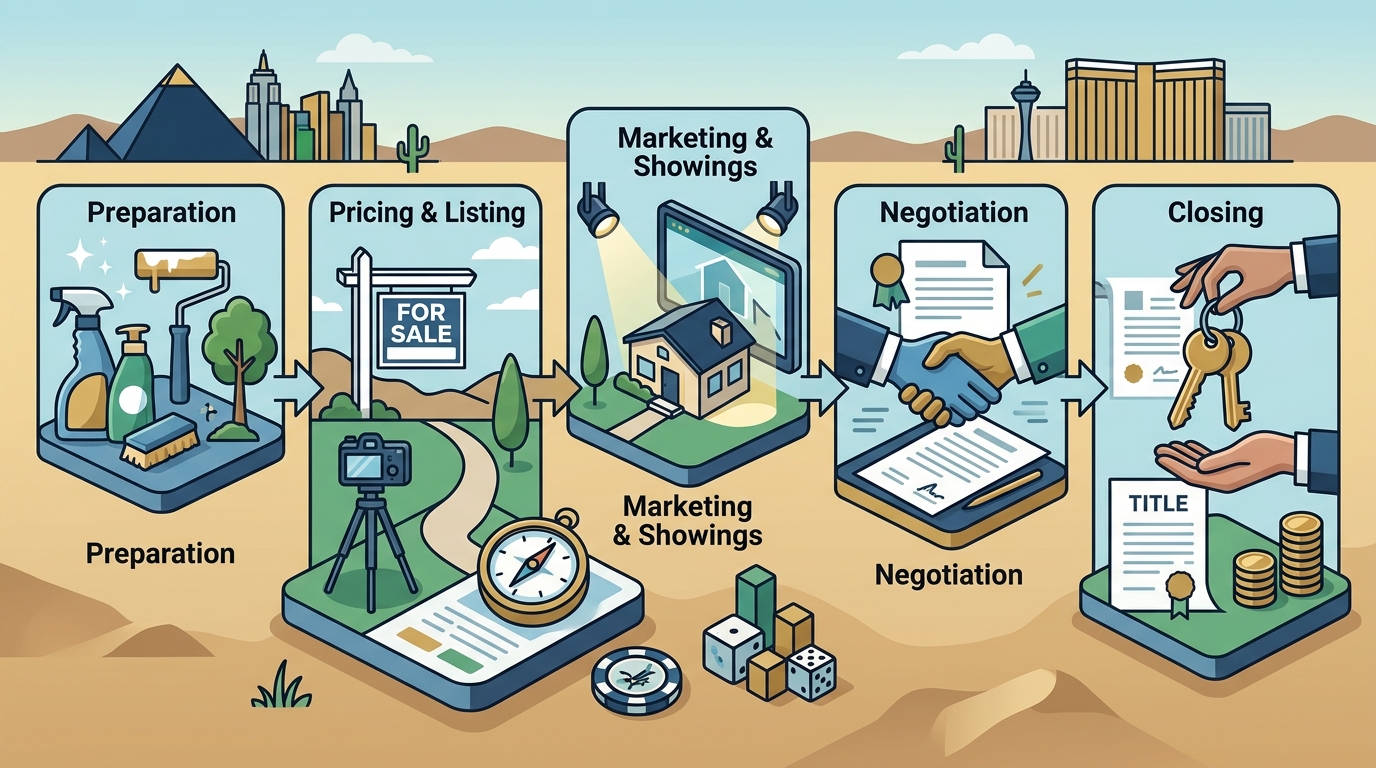
The Las Vegas real estate market remains one of the most dynamic in the United States, offering homeowners significant opportunities for profit. According to recent market analyses, median home prices in the Las Vegas metropolitan area have shown consistent resilience, driven by population growth and economic diversification. Understanding the specific steps required to sell your property efficiently is crucial for maximizing your return on investment. This guide outlines the essential phases of the selling process, from initial preparation to closing the deal, ensuring you navigate the transaction with confidence and clarity.
Determine Your Home's Market Value
The first critical step in selling your Las Vegas home is establishing an accurate listing price. Overpricing can lead to stagnation, while underpricing leaves money on the table. A Comparative Market Analysis (CMA) is the standard tool used by professionals to evaluate your property against recent sales of similar homes in your neighborhood.
Market Value is the estimated amount for which an asset should exchange on the date of valuation between a willing buyer and a willing seller in an arm's-length transaction. In Las Vegas, factors such as proximity to the Strip, school district quality, and community amenities significantly influence this value. Homeowners should consult with a local expert who understands the nuances of submarkets like Summerlin, Henderson, and downtown Las Vegas.
For a precise assessment of your home's current worth, consider scheduling a professional consultation. Contact BHHS Nevada Realty to discuss your property's unique position in the current market.
Prepare Your Property for Sale
Once you have a price in mind, the physical preparation of your home begins. This phase is often referred to as "staging." The goal is to make the property appealing to the broadest possible audience by highlighting its best features and minimizing distractions.
Home Staging is the practice of decorating and arranging furniture in a home to enhance its appeal to potential buyers. In the Las Vegas climate, outdoor spaces are particularly valuable. Ensuring your patio, pool, and landscaping are pristine can significantly impact buyer perception. Additionally, addressing minor repairs such as leaky faucets, cracked tiles, or scuffed walls is essential to prevent buyers from using these issues as leverage for lower offers.
Professional photographers and virtual tour creators are indispensable in this stage. High-quality visuals are the first point of contact for most online buyers. According to the National Association of Realtors, homes that are staged sell faster and often for higher prices than those that are not.
Choose a Listing Strategy
Deciding how to list your home is a pivotal decision. You can choose to list with a traditional real estate agent, sell for sale by owner (FSBO), or work with a iBuyer. Each option has distinct advantages and disadvantages regarding cost, control, and speed.
Working with a licensed real estate agent provides access to the Multiple Listing Service (MLS), which maximizes visibility. Agents also handle the complex paperwork, negotiations, and coordination with other professionals. Learn more about our comprehensive selling services to see how we support homeowners through every step of the transaction.
For those seeking a more traditional approach, understanding the local regulations is vital. Nevada law requires specific disclosures regarding the property's condition. The Nevada Real Estate Division provides detailed guidelines on seller obligations and disclosure requirements.
Market Your Home Effectively
Effective marketing goes beyond putting a sign in the yard. It involves a multi-channel strategy designed to attract qualified buyers. In the digital age, online platforms are the primary driver of real estate traffic.
Social media campaigns, email newsletters, and targeted digital ads help reach potential buyers who may not be actively searching but are open to opportunities. Open houses and broker tours allow for physical interaction with the property, which can create an emotional connection. Zillow Research indicates that the majority of home buyers start their search online, making digital presence critical.
Highlighting unique Las Vegas features, such as mountain views or energy-efficient upgrades, can differentiate your listing from competitors. Ensure your property description is compelling and accurate, avoiding hyperbole that could lead to disappointment during showings.
Review Offers and Negotiate
Once interest is generated, offers will begin to flow in. Evaluating these offers requires looking beyond the price. Factors such as the buyer's financing type, contingencies, and proposed closing timeline are equally important.
A Contingency is a condition that must be met for a real estate contract to become binding. Common contingencies include home inspection, appraisal, and financing. Accepting an offer with fewer contingencies may reduce risk, even if the price is slightly lower. Negotiation is a delicate balance of asserting your value while remaining flexible enough to close the deal.
Our team at BHHS Nevada Realty specializes in strategic negotiation to protect your interests and secure the best possible terms. We analyze each offer's strengths and weaknesses to advise you on the optimal path forward.
Navigate the Closing Process
The final phase involves fulfilling contract obligations and transferring ownership. This period typically lasts 30 to 45 days, depending on the buyer's financing and local requirements.
During this time, the buyer will conduct a home inspection and appraisal. You may be asked to make repairs or provide credits based on the inspection results. The title company will ensure the title is clear and prepare the closing documents. Freddie Mac provides valuable insights into the mortgage process that can help you understand potential delays or requirements.
On closing day, you will sign the deed and other necessary documents. Once recorded, the keys are handed over to the buyer, and the proceeds are distributed to you. This marks the successful completion of your home selling journey.
Key Takeaways
- Accurate Pricing: Use a CMA to set a competitive price based on recent local sales data.
- Preparation Matters: Invest in staging and repairs to maximize buyer appeal and perceived value.
- Professional Guidance: Partnering with a local expert like BHHS Nevada Realty agents ensures compliance and strategic advantage.
- Digital Visibility: High-quality photos and online marketing are essential for reaching modern buyers.
- Negotiation Strategy: Evaluate offers based on price, contingencies, and buyer reliability, not just the headline number.
- Legal Compliance: Adhere to Nevada disclosure laws to avoid post-closing liabilities.
- Market Timing: Las Vegas market conditions fluctuate; staying informed helps in making timely decisions.
Frequently Asked Questions
How long does it take to sell a home in Las Vegas?
The average time to sell a home in Las Vegas varies by market conditions but typically ranges from 30 to 60 days from listing to closing. Factors such as pricing accuracy and home condition play significant roles.
Do I need to disclose all repairs I've made?
Yes, Nevada law requires sellers to disclose known material defects. Even if you have made repairs, disclosing the history of issues can prevent future legal complications and build trust with buyers.
What are the closing costs for a seller in Nevada?
Seller closing costs in Nevada typically range from 1% to 3% of the home's sale price. These may include title insurance, transfer taxes, and agent commissions. Investopedia offers detailed breakdowns of typical real estate closing costs.
Can I sell my home if I still have a mortgage?
Yes, most homes are sold with an existing mortgage. The proceeds from the sale are used to pay off the remaining loan balance, with the surplus going to you. Ensure you know your payoff amount before listing.
Is now a good time to sell in Las Vegas?
Las Vegas has historically shown strong growth potential. While market conditions change, the city's economic diversification and population influx continue to support a healthy real estate market. Consult with a local expert for current insights.
What is the role of a buyer's agent?
A buyer's agent represents the interests of the purchaser. They help find properties, negotiate terms, and guide the buyer through the process. Understanding their role can help you anticipate their actions during negotiations.
How do I choose the right real estate agent?
Look for an agent with extensive experience in your specific neighborhood, strong negotiation skills, and a proven track record of successful sales. Read client testimonials to gauge satisfaction levels.
Ready to Sell Your Las Vegas Home?
Selling your property is a significant milestone. With the right preparation, pricing, and professional support, you can navigate the process smoothly and achieve your financial goals. Take the first step toward a successful sale today.
Schedule a consultation with BHHS Nevada Realty to discuss your home's potential and create a tailored selling strategy. Our team is ready to guide you from listing to closing.