
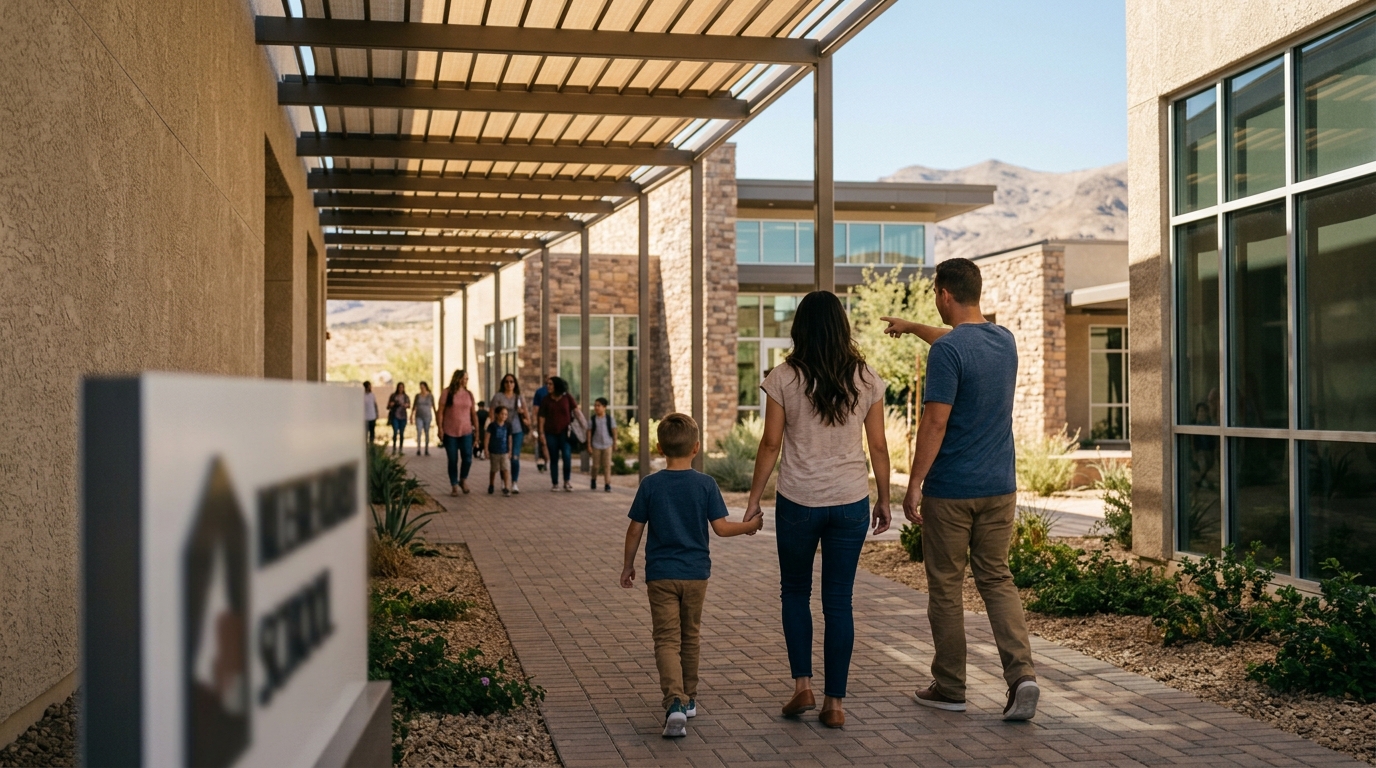
Choosing the right neighborhood in Nevada involves more than just square footage or curb appeal. The quality of local schools is a primary driver of property value and family lifestyle. According to recent data from the National Center for Education Statistics, school district boundaries often dictate housing market premiums, with homes in high-performing districts commanding up to 15% more than comparable properties in lower-rated areas. This guide provides a rigorous framework for evaluating educational quality across Nevada’s diverse regions, from the urban corridors of Clark County to the rural expanses of Washoe County.
Understanding the Basics of Nevada School Ratings
Nevada’s education landscape is unique due to its rapid population growth and varied geography. Unlike states with highly consolidated school systems, Nevada relies on a mix of large urban districts, suburban expansions, and rural cooperatives. When evaluating school quality, it is crucial to look beyond simple test scores. The term "school district" is a geographical area within which a public school system has jurisdiction.
Parents and buyers must understand that Nevada uses a comprehensive accountability system. The Nevada Department of Education (NDOE) publishes annual report cards for every school. These reports include data on academic achievement, graduation rates, and college and career readiness. For a deeper understanding of how these metrics are calculated, you can review the Nevada Department of Education guidelines.
It is also important to note that school boundaries can shift. The term "school boundary" is the legal perimeter that determines which students are eligible to attend a specific public school. Real estate listings often claim proximity to schools, but proximity does not guarantee enrollment. Always verify the specific attendance zone with the district office before making an offer.
Key Metrics for Academic Excellence
Evaluating school quality requires a multi-dimensional approach. Relying on a single metric can lead to inaccurate conclusions about a school's effectiveness. Here are the critical factors to analyze.
Standardized Test Scores and Growth
While proficiency rates are visible, student growth is often a more accurate predictor of future success. Growth measures how much a student improves academically over a year, regardless of their starting point. Schools in high-poverty areas often show higher growth metrics despite lower absolute proficiency scores. For context on how growth models work, refer to the U.S. Department of Education resources.
Teacher Qualifications and Retention
The stability of the teaching staff is a strong indicator of school health. High turnover rates can disrupt learning continuity. Look for districts that report high percentages of teachers with advanced degrees and those who have been in the classroom for more than five years. Nevada has faced challenges with teacher retention in rural areas, making this metric particularly important for those looking outside of Las Vegas and Reno.

College and Career Readiness
Graduation rates are a baseline, but college readiness is the true measure of preparation. Examine the percentage of students who pass Advanced Placement (AP) exams or earn industry-recognized certifications. Schools with strong career and technical education (CTE) programs often provide better pathways for students who do not pursue a traditional four-year degree.
Comparing Major Nevada School Districts
Nevada’s education system is dominated by a few large districts, each with distinct characteristics. Understanding these differences is vital for targeted home searches.
| District | Primary Service Area | Key Strengths | Considerations |
|---|---|---|---|
| Clark County School District (CCSD) | Las Vegas Valley | Extensive AP offerings, diverse CTE programs | Large size can lead to variability between schools |
| Washoe County School District (WCSD) | Reno-Sparks Area | High college readiness rates, strong STEM focus | Competitive housing market in top zones |
| Carson City School District | Carson City | Smaller class sizes, community focus | Limited high school course variety compared to urban districts |
| Elko County School District | Elko Region | Strong agricultural and mining industry partnerships | Rural challenges with teacher recruitment |
For families considering the Las Vegas area, the Berkshire Hathaway HomeServices Nevada Properties buyer guide offers specific insights into neighborhood school zones. Similarly, those looking at the Reno-Sparks corridor should consult local resources for the latest boundary updates.
How Schools Impact Neighborhood Dynamics
School quality directly influences the social and economic fabric of a neighborhood. Homes in top-rated districts often appreciate faster and maintain value better during market downturns. This is due to consistent demand from families prioritizing education.
Additionally, schools serve as community hubs. They host events, sports, and cultural activities that foster neighborly connections. A strong school community can enhance the overall livability of a neighborhood. According to a study by the Brookings Institution, communities with high-performing schools often see increased civic engagement and lower crime rates. You can read more about this correlation in the Brookings Institution research.
When evaluating a neighborhood, visit the school during drop-off and pick-up times. Observe the level of parental involvement and the general atmosphere. These qualitative factors are often as important as quantitative data.
Private and Charter School Alternatives
Not all families are bound by public school boundaries. Nevada has a robust charter school sector and numerous private institutions. Charter schools are publicly funded but operate independently of traditional district controls. They often offer specialized curricula, such as STEM, arts, or language immersion.
Private schools in Nevada, particularly in Henderson and Summerlin, offer alternative educational models and smaller class sizes. However, they require tuition, which can range from $5,000 to $20,000 annually depending on the institution. For a comprehensive list of accredited private schools, visit the Nevada Association of Independent Schools directory.
When considering charter or private options, verify their accreditation status. Ensure they meet state standards for teacher certification and curriculum alignment. Some charter schools have waitlists, so apply early in the enrollment cycle.
Key Takeaways
- Verify Boundaries: Proximity to a school does not guarantee enrollment. Always check the official attendance zone map with the district.
- Look at Growth, Not Just Scores: Student growth metrics provide a fairer assessment of school effectiveness, especially in diverse communities.
- CCSD and WCSD Dominate: The majority of Nevada’s population is served by Clark County and Washoe County districts, which have distinct strengths and challenges.
- Teacher Retention Matters: High staff stability is a key indicator of a healthy school environment and consistent educational quality.
- Property Value Link: Homes in high-performing school districts typically command a premium and appreciate more steadily over time.
- Charter Options Exist: Nevada’s charter school sector offers specialized alternatives, but accreditation and capacity must be verified.
- Community Engagement: Visit schools in person to gauge the culture and parental involvement, which are critical for student success.
Frequently Asked Questions
How often do school boundaries change in Nevada?
School boundaries can change annually based on enrollment projections and facility capacity. Districts typically release updated maps in the spring for the following academic year. It is essential to confirm the current boundary at the time of your home purchase.
What is the best way to compare school districts in Nevada?
Use the Nevada Department of Education’s school report cards to compare metrics like graduation rates, college readiness, and student growth. Additionally, consult third-party rating sites for parent reviews, but prioritize official data for accuracy.
Are charter schools in Nevada public or private?
Charter schools in Nevada are public schools. They are tuition-free and open to all students, but they operate independently of local school districts and have more flexibility in their curriculum and staffing.
How do I find the specific school for a new home listing?
Use the district’s online boundary lookup tool. If the tool is unavailable, contact the district’s enrollment office directly with the property address. Real estate agents can also provide preliminary information, but official verification is necessary.
What is the average class size in Nevada public schools?
Class sizes vary by district and grade level. Urban districts like CCSD may have larger classes in elementary grades, while rural districts often have smaller classes due to lower enrollment. Check the specific school’s profile for detailed staffing ratios.
Do Nevada schools offer Advanced Placement (AP) courses?
Yes, many high schools in Nevada, particularly in CCSD and WCSD, offer a wide range of AP courses. However, availability varies by school. Check the school’s course catalog for specific offerings.
How important is school quality for resale value?
Very important. Homes in top-rated school districts tend to sell faster and at higher prices. This demand persists even in slower housing markets, making school quality a key factor in long-term investment potential.
Next Steps for Homebuyers
Evaluating school quality is a critical step in the homebuying process. By understanding the metrics, districts, and alternatives, you can make an informed decision that benefits your family’s future. Berkshire Hathaway HomeServices Nevada Properties is dedicated to helping you navigate this complex landscape. Our agents have deep knowledge of local school zones and neighborhood dynamics.
Start your search with confidence. Contact our team today to schedule a consultation and find the perfect home in the best school district for your needs.